FIRA BARCELONA
BIG - Bjarke Ingels Group
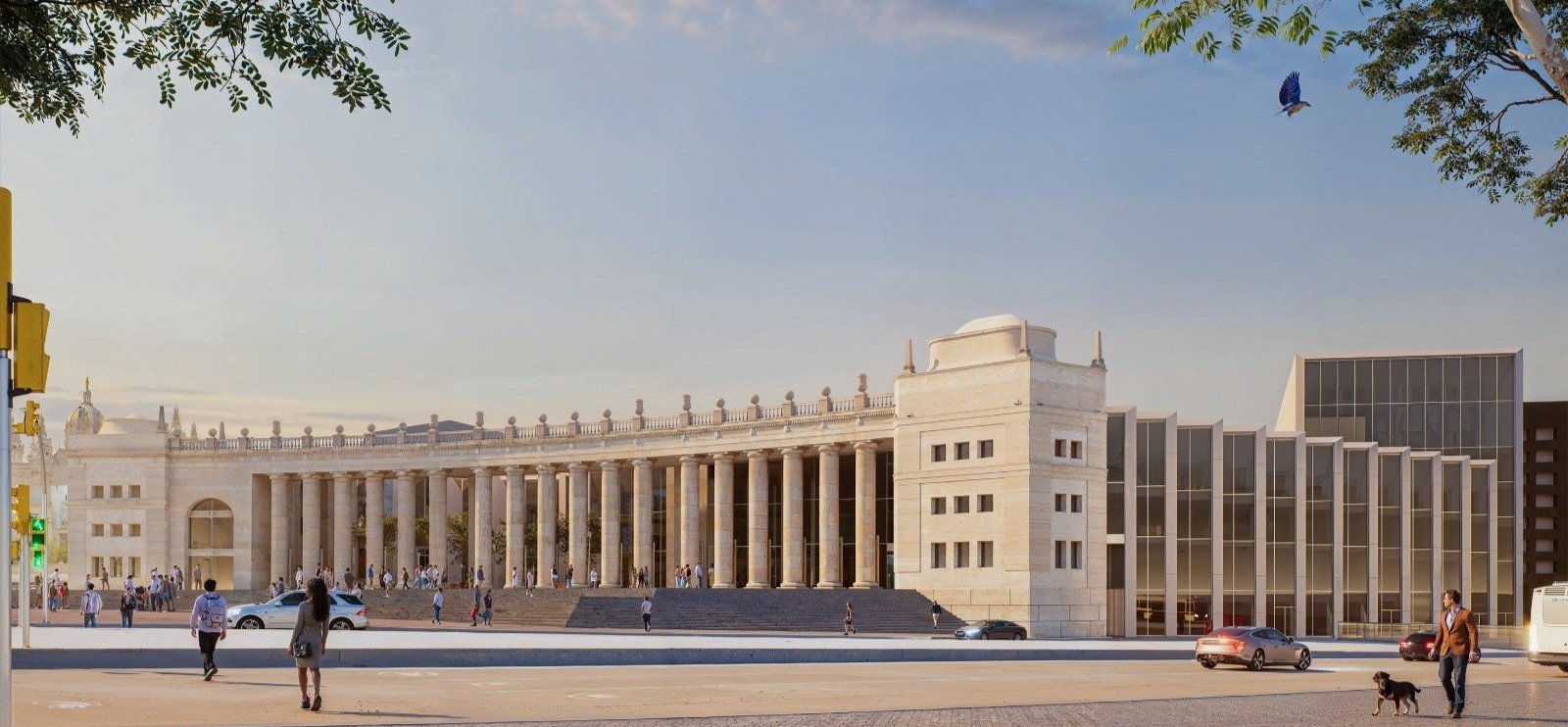
BIG’s Fira project reactivates the historic Palau del Vestit, blending preservation with innovation. A Z-shaped design, new public spaces, and green courtyards connect city and heritage, transforming Plaça d’Espanya into a flexible, sustainable hub for culture, community, and global events.
Lilletorget 1
Henning Larsen
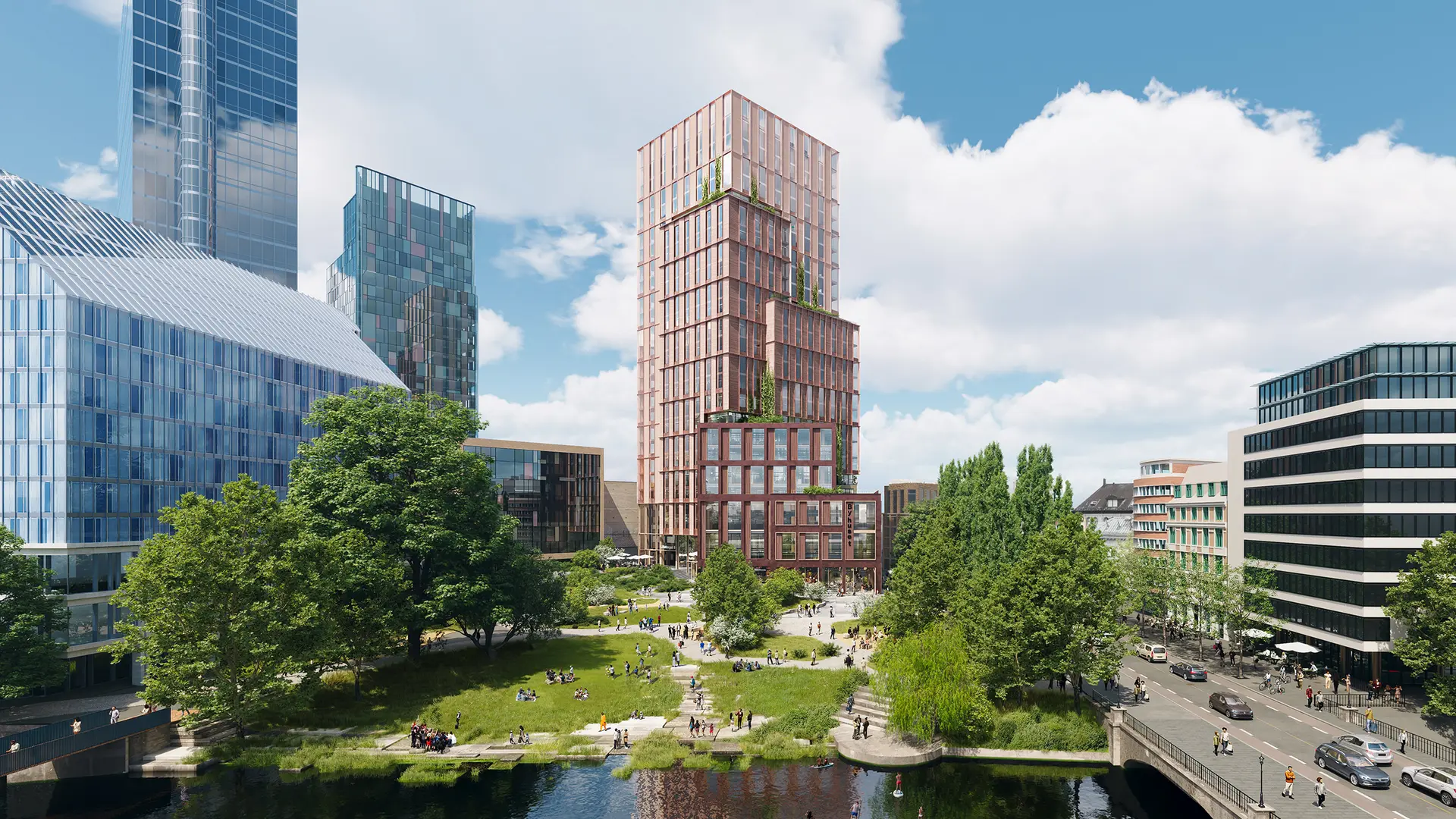
In the heart of Oslo, Lilletorget 1 is set to redefine Vaterland through the transformation of an existing building, creating an impact that extends far beyond its walls. By fostering an inclusive, international, and vibrant destination for the local community, the project seeks to give back to the city - serving as a catalyst for positive change and becoming a transformational landmark for both the building itself and Oslo as a whole.
University of Glasgow Adam Smith Business School
Hassel
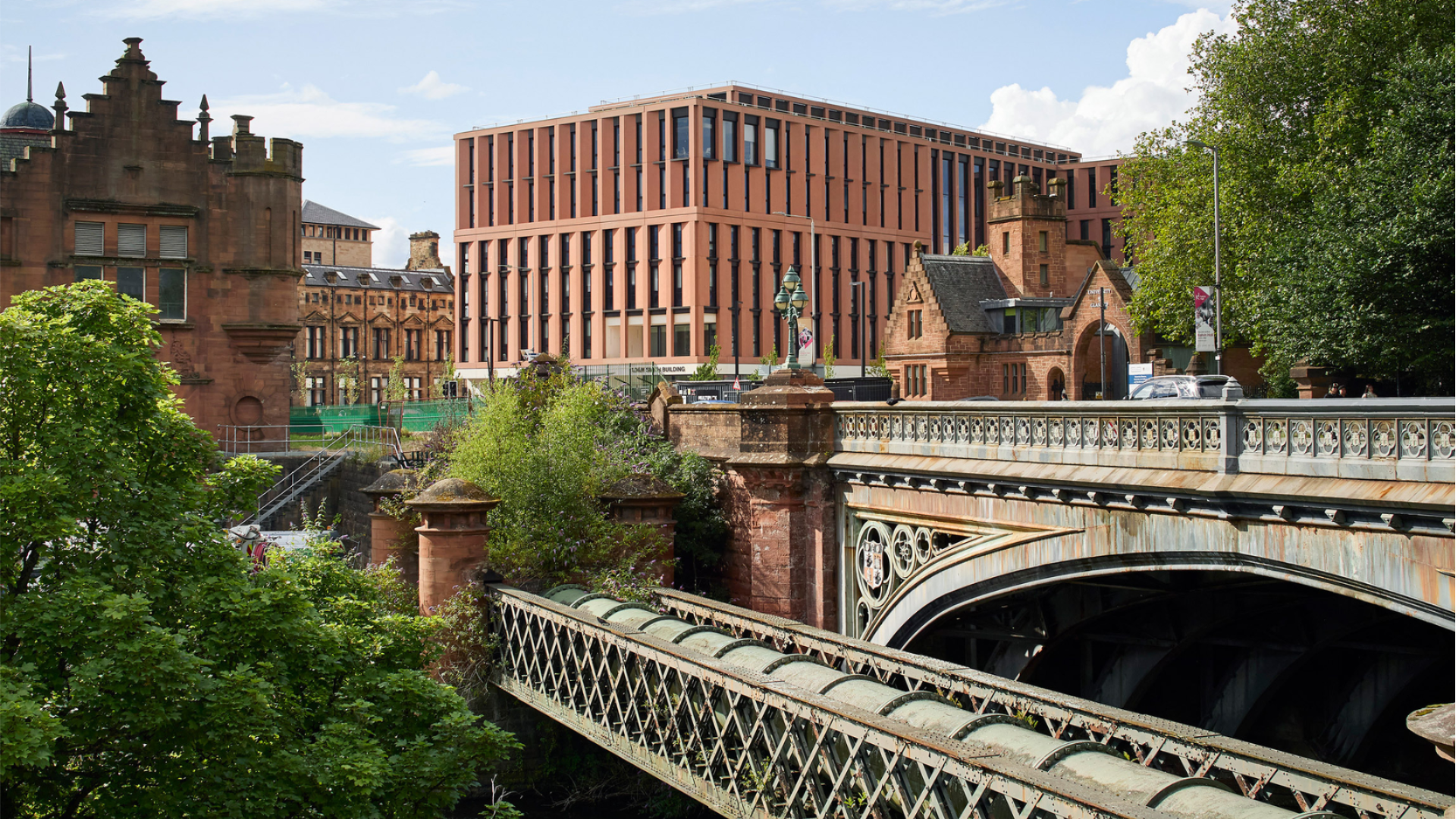
Completed in 2023 on the historic Gilmorehill campus — the University of Glasgow, founded in 1451, is one of Europe's oldest institutions — this six-storey building by Hassell inserts a fully contemporary academic facility into a Victorian heritage landscape. The masonry façade draws on Glasgow's iconic red sandstone tradition, entering into material dialogue with the surrounding townscape while articulating an unmistakably contemporary spatial language. A precise answer to the conference's core question: how can bold new architecture find its place within a historic campus without erasing what came before?
Urban Anchor, Art-House in Daegu, Korea
JADRIC ARCHITEKTUR
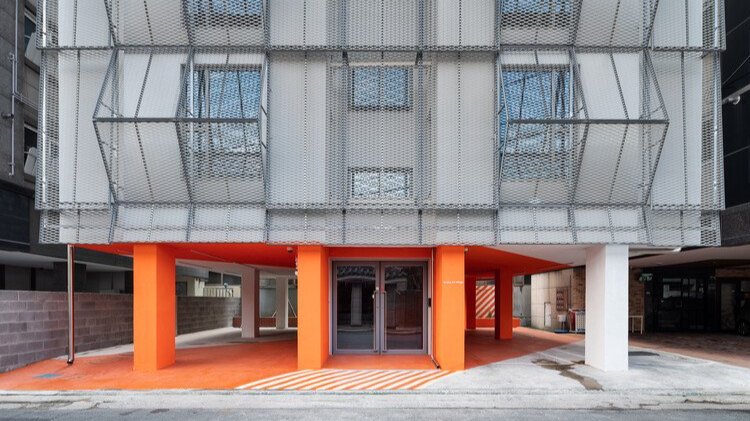
Winner of an international open competition against 73 entries and recipient of the iF Design Award 2024, the Daegu Anchor Facility by Jadric Architektur exemplifies a model of urban renewal through cultural infrastructure. The building operates as an 'urban anchor' — a catalyst that stabilises and regenerates the social and spatial fabric of a predominantly residential neighbourhood. Developed within South Korea's Soft City Renewal policy framework, it demonstrates that heritage-sensitive urban repair is not a European prerogative: the challenge of memory, continuity, and adaptive intervention is global.
Casin di Palazzo Lezze - Venice
Caprioglio Architects
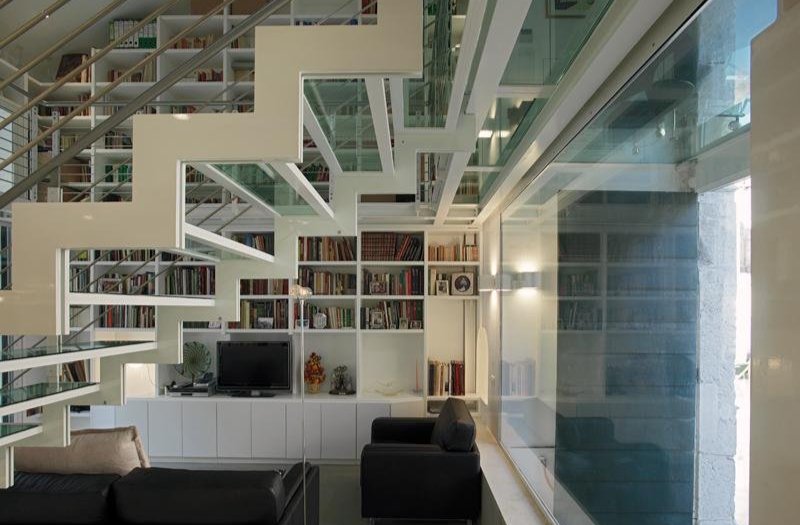
Set within the historic Palazzo Lezze in Venice's Cannaregio sestiere — a building whose canal façade was designed by Baldassarre Longhena — this residential interior by Caprioglio Architects demonstrates the quiet radicalism of continuity. Traditional Venetian materials, Istrian stone, Euganean travertine, and white lime plaster, are combined with steel and glass to produce a space that belongs entirely to the present while remaining faithful to the logic of place. Presented within the very city that generated its spatial grammar, Casin is a meditation on what it means to live inside history.
The St. John's Co-Cathedral Museum Rehabilitation and Extension
AP Valletta
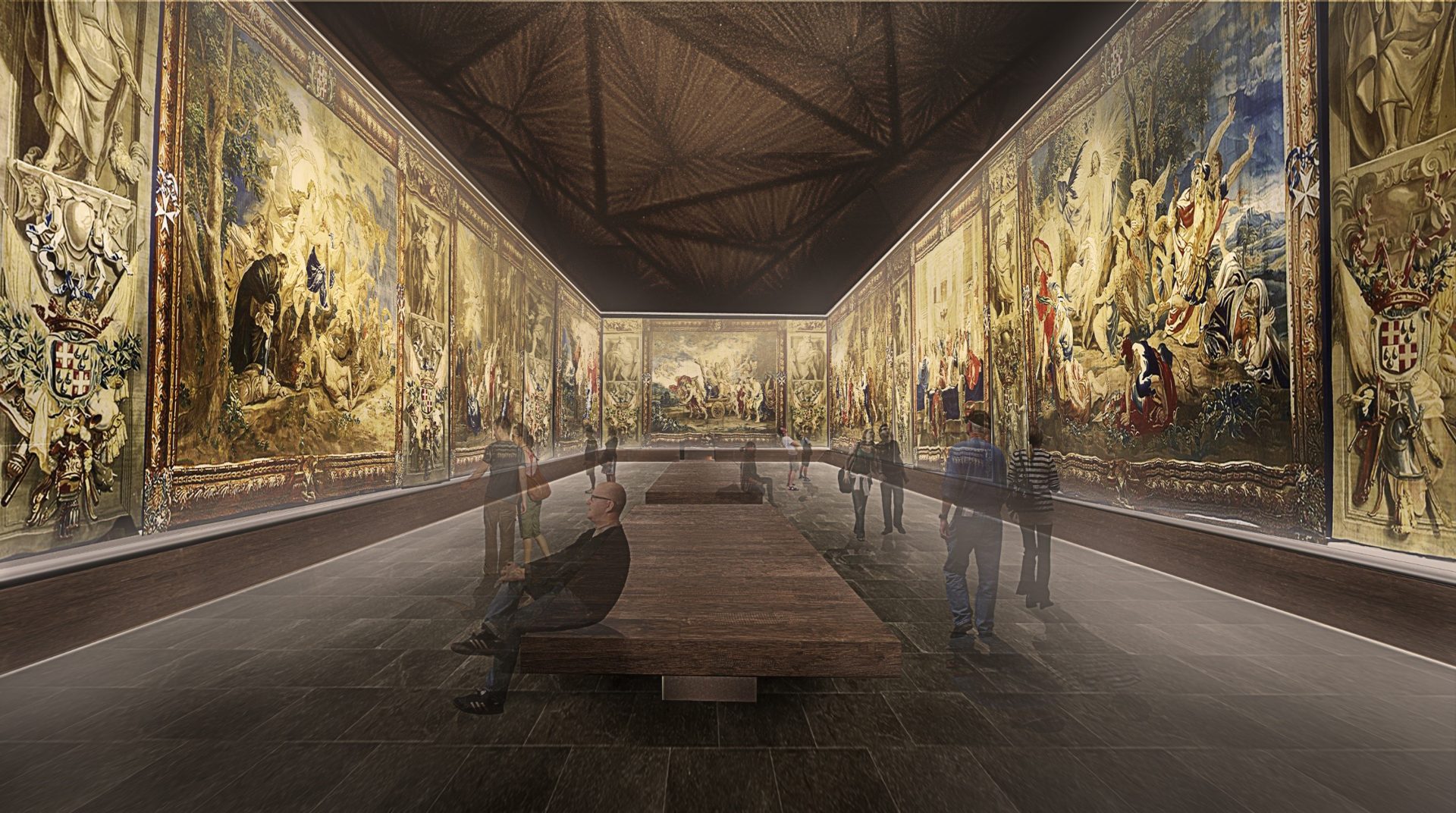
The rehabilitation of Malta's most significant museum — home to Caravaggio's Beheading of St. John and a rare set of Rubens tapestries — required AP Valletta to work simultaneously as restorer, urban interpreter, and contemporary architect. Long-neglected historic spaces, including a 16th-century crypt and an 18th-century wing by Romano Carapecchia, were brought back into use. A new stone-clad extension, conceived as a monumental reliquary, frames the collection without imitating its historical language. The project exemplifies the conference's central argument: the most rigorous form of innovation is the one that begins with listening.
Villa Marchi — An Architecture of Continuity
3ndy Studio
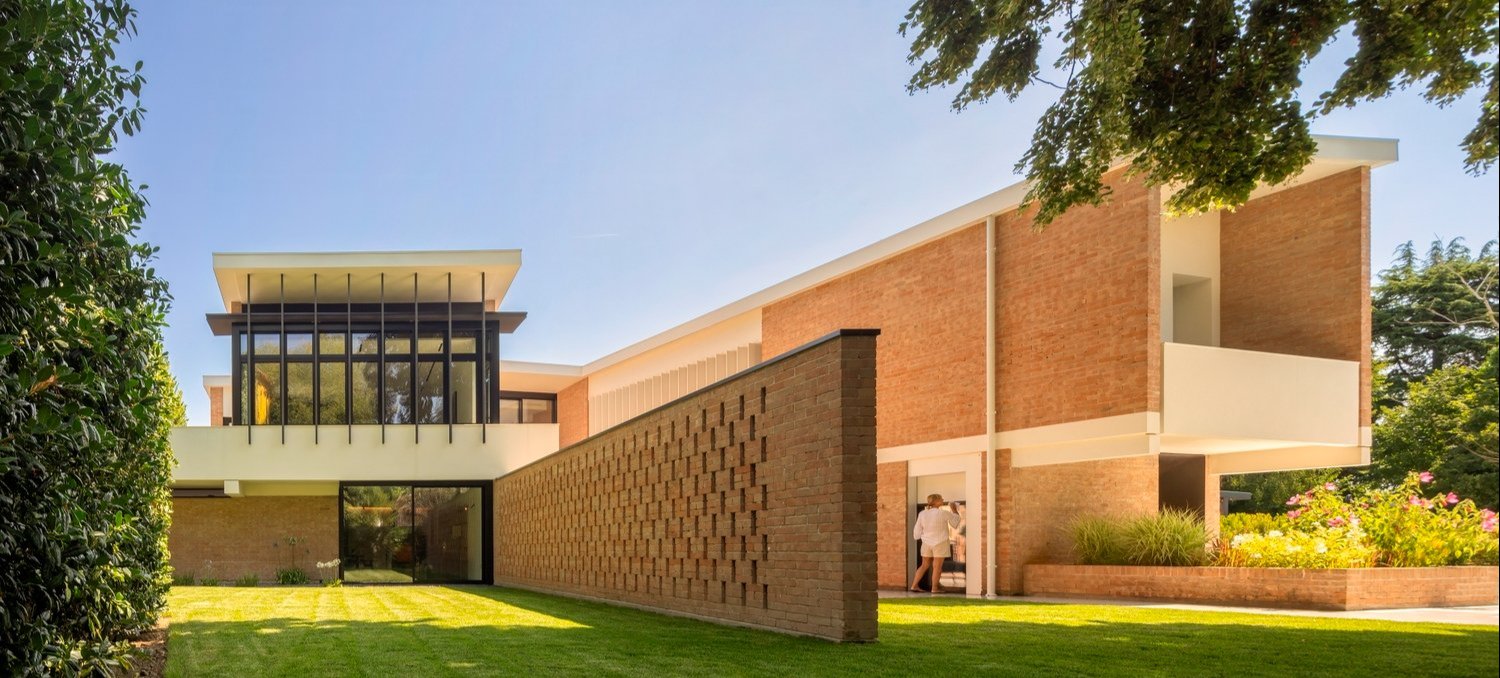
Designed in the late 1950s by Oscar Marchi, a figure formed within Carlo Scarpa's Venetian school, Villa Marchi carries a lineage of architectural thought that makes its renovation an act of double responsibility. 3ndy Studio's intervention preserves the original material texture — bare brick, generous volumes, structural clarity — while introducing contemporary performance standards for insulation, comfort, and spatial continuity. The project poses a question the conference holds at its core: when a building is itself a work of architecture, how do you renovate without erasing?
Sluiskwartier Deventer
Davide Macullo Architects
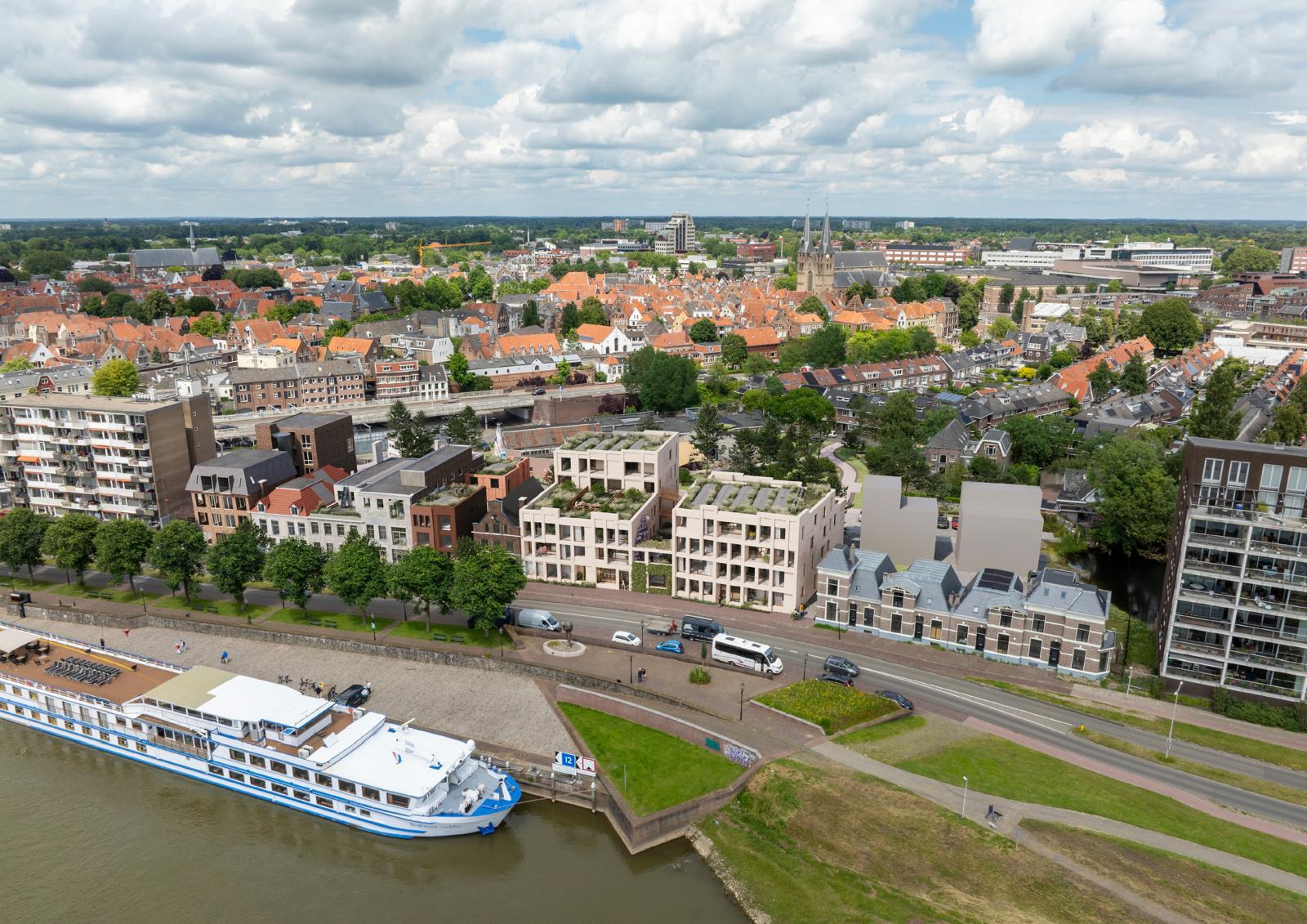
Sluiskwartier Deventer 2026 — Davide Macullo Architects with I'm Architects Deventer
How do you build something new in a place dense with memory?
Davide Macullo's winning proposal for Sluiskwartier Deventer answers by reading the city as a text — translating Dutch warehouse heritage, De Stijl geometry, and the legacy of Mondrian and Rietveld into façades and public spaces that feel rooted, not imposed.
The result, recognized by the Deventer jury as "a meaningful place without resorting to historical imitation," is a precise demonstration of what Innovation Into Heritage means when it moves from principle to built reality.
Transformation of the Paper Factory “De Naeyer”
Farris Studio
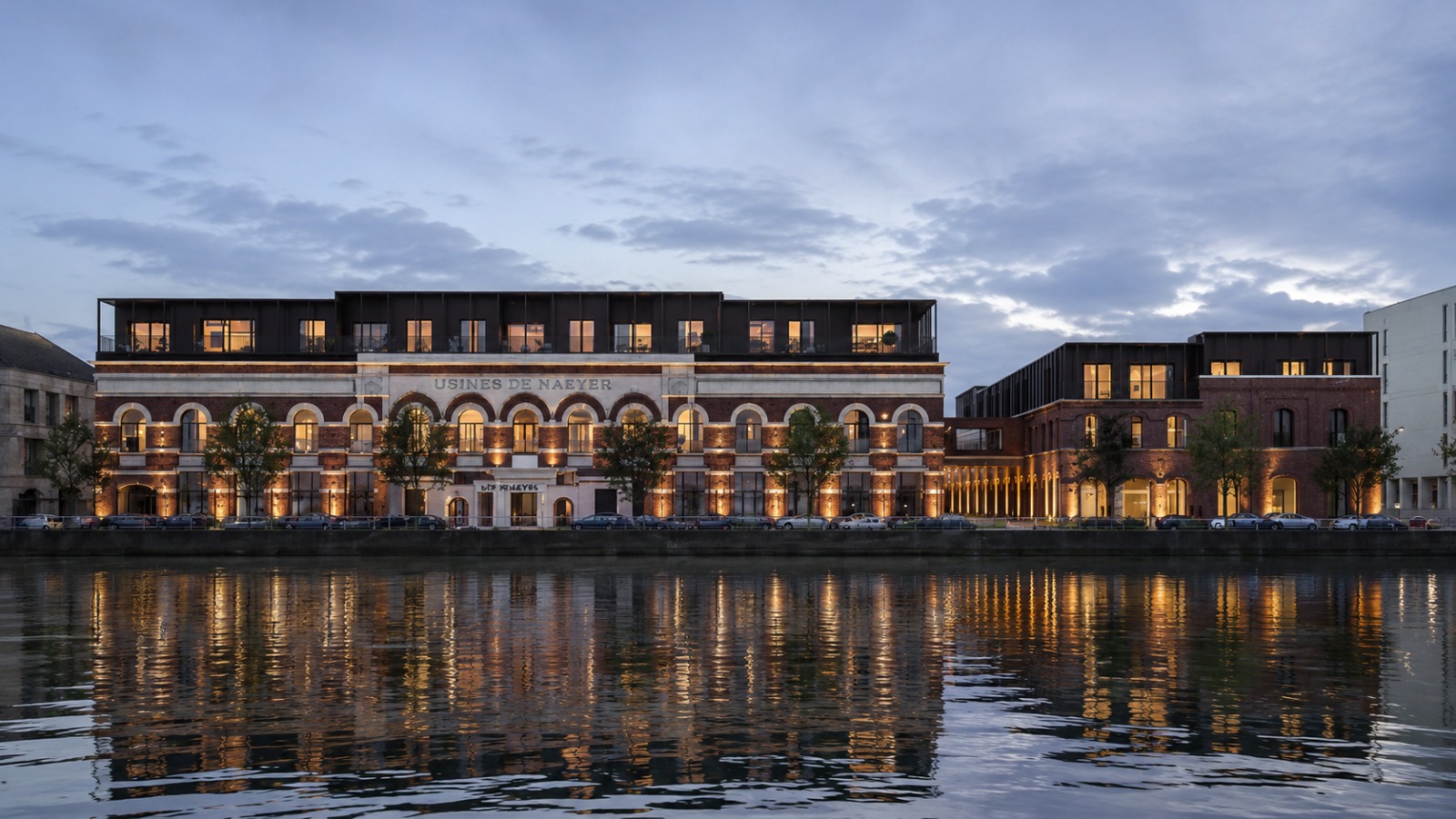
Founded in 1860 by industrialist Louis De Naeyer alongside the Willebroek canal, the former paper factory long defined the identity of this small Flemish city before falling into disuse in 2004. Studio Farris Architects leads the final phase of its reconversion: the former director’s office and drawing ateliers are transformed into apartments, houses, offices, and commercial spaces, while the protected water tower and monumental Peace Bridge remain as anchors of industrial memory. New volumes are placed in deliberate dialogue with the surviving heritage fabric — a precise answer to the conference’s central question of how bold contemporary intervention can coexist with, rather than erase, the memory of place.
CAPUA 1880 Headquarters and Production Complex
GEZA Architettura
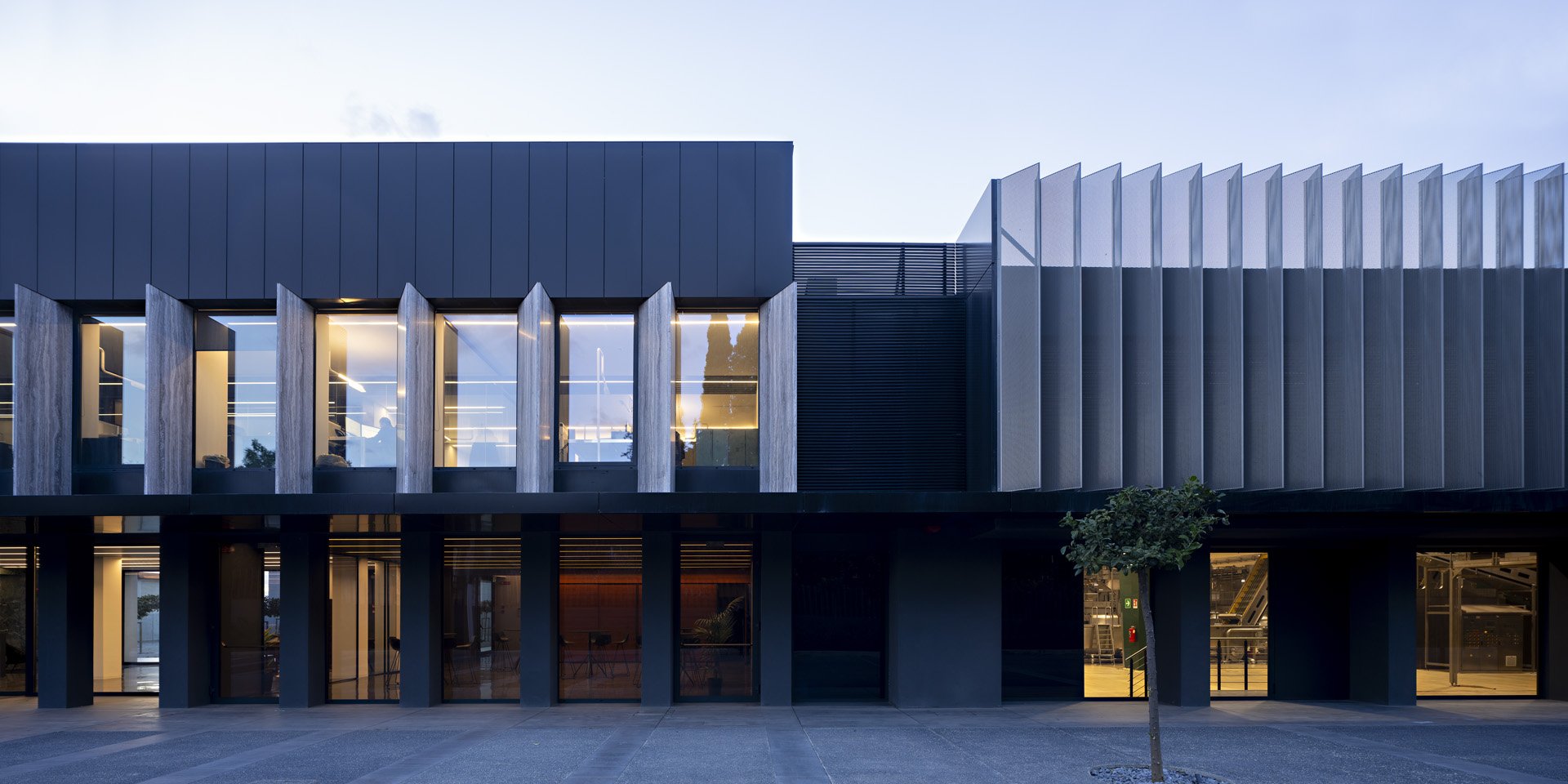
When Capua 1880 — a producer of citrus essential oils supplying the world's foremost luxury perfumery houses for over a century — chose to relocate its headquarters, the site was a disused Coca-Cola bottling plant on the Calabrian coast. GEZA Architettura transformed the former industrial structure by enveloping it in a perforated skin that enters into dialogue with the coastal landscape of the Strait of Messina. Basalt, corten steel, travertine, and alpine green marble compose a façade that shifts with the light; a central patio of orange trees becomes the project's unexpected heart. Longlisted for Adaptive Reuse of the Year at the Archello Awards 2024 and published in Domus, this project demonstrates that adaptive reuse is not a compromise — it is a cultural argument.