Lugoj Municipal Hospital
TESSERACT Architecture, Romania
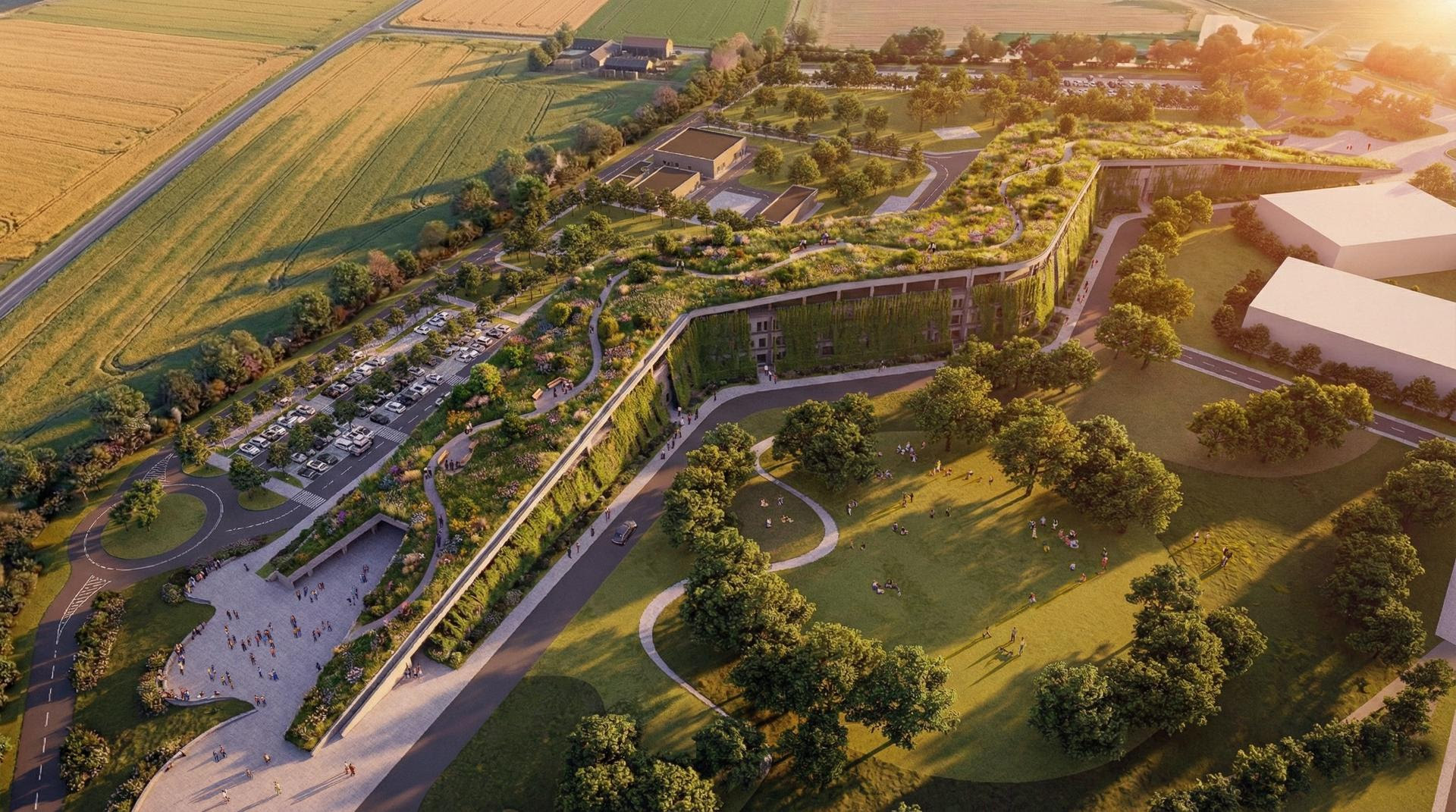
The Concept of Liminality in Healthcare Design / In anthropology, “liminality” is defined as the state of being in a transitional or in-between phase, a threshold between one stage of life and another. Tesseract instruments this concept to create a project in-between city and nature, present and future, uncertainty and reassurance – in the process transforming healthcare development into a potential economic growth engine for the region.
Fundeni Clinical Institute – relocation, development, and construction of a medical complex
Criba Proiect, Romania
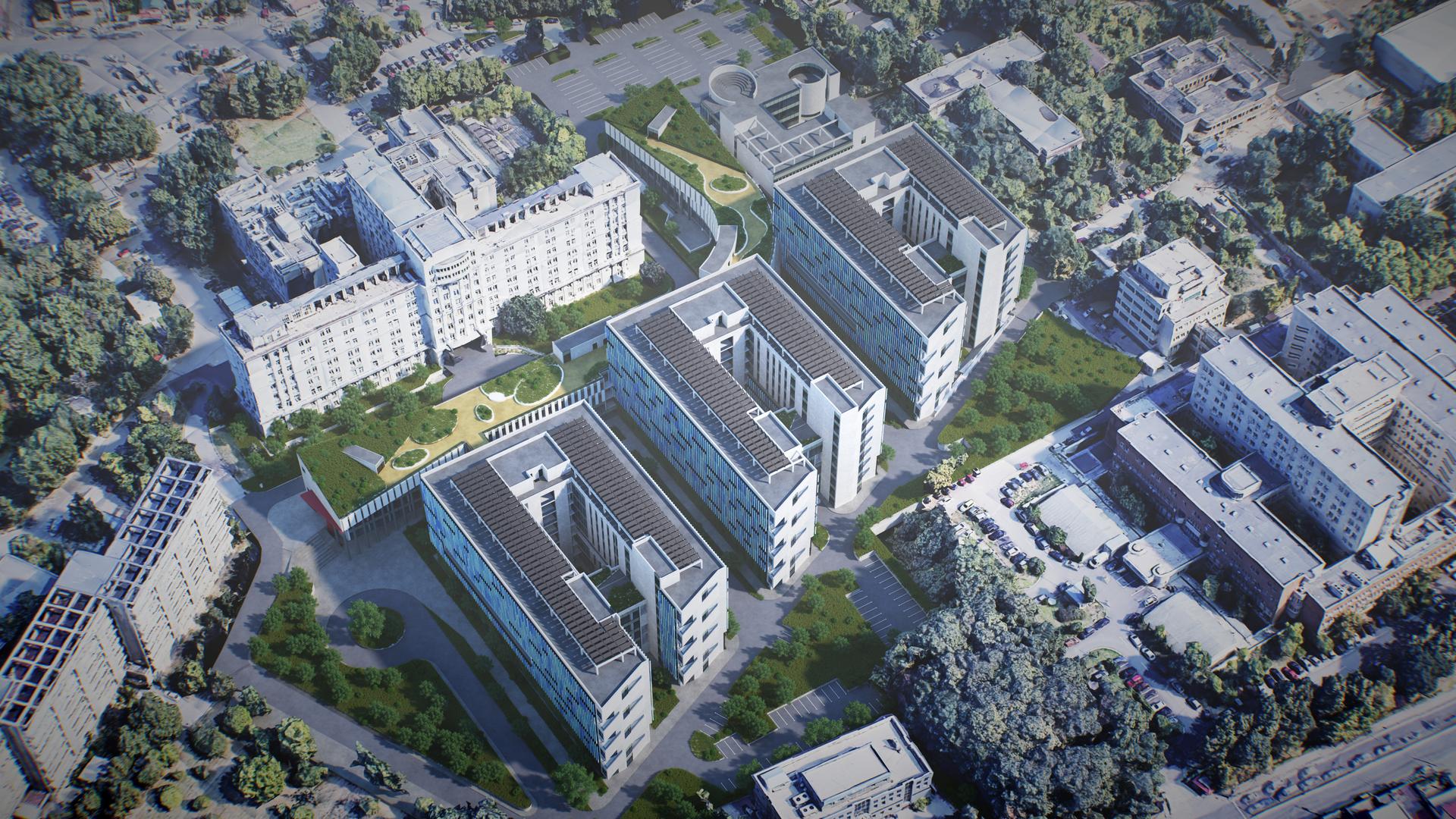
The Fundeni Clinical Institute is one of Romania’s leading medical centers and the only one performing liver, kidney, and bone marrow transplants. It forms the core of the “Fundeni Medical Platform,” a major medical hub developed through successive expansions. Due to limited land and the need for integration between existing and future departments, a new complex is planned in front of the main building. Its design, comprising specialty clinics, administrative and educational spaces, is inspired by “healing hands” and the idea of therapeutic environments that support patient recovery and staff wellbeing. A key priority, defined through a participatory design process with medical staff, is a compact surgical level integrating operating rooms and intensive care units for all surgical departments, especially transplant services. The project emphasizes structural safety, sustainability, and resilience, ensuring adaptability and long-term performance in a complex healthcare setting.
Bacău Municipal Pavilion – Integration into the Medical Campus of Bacău County Emergency Hospital
UNITH2B, Romania
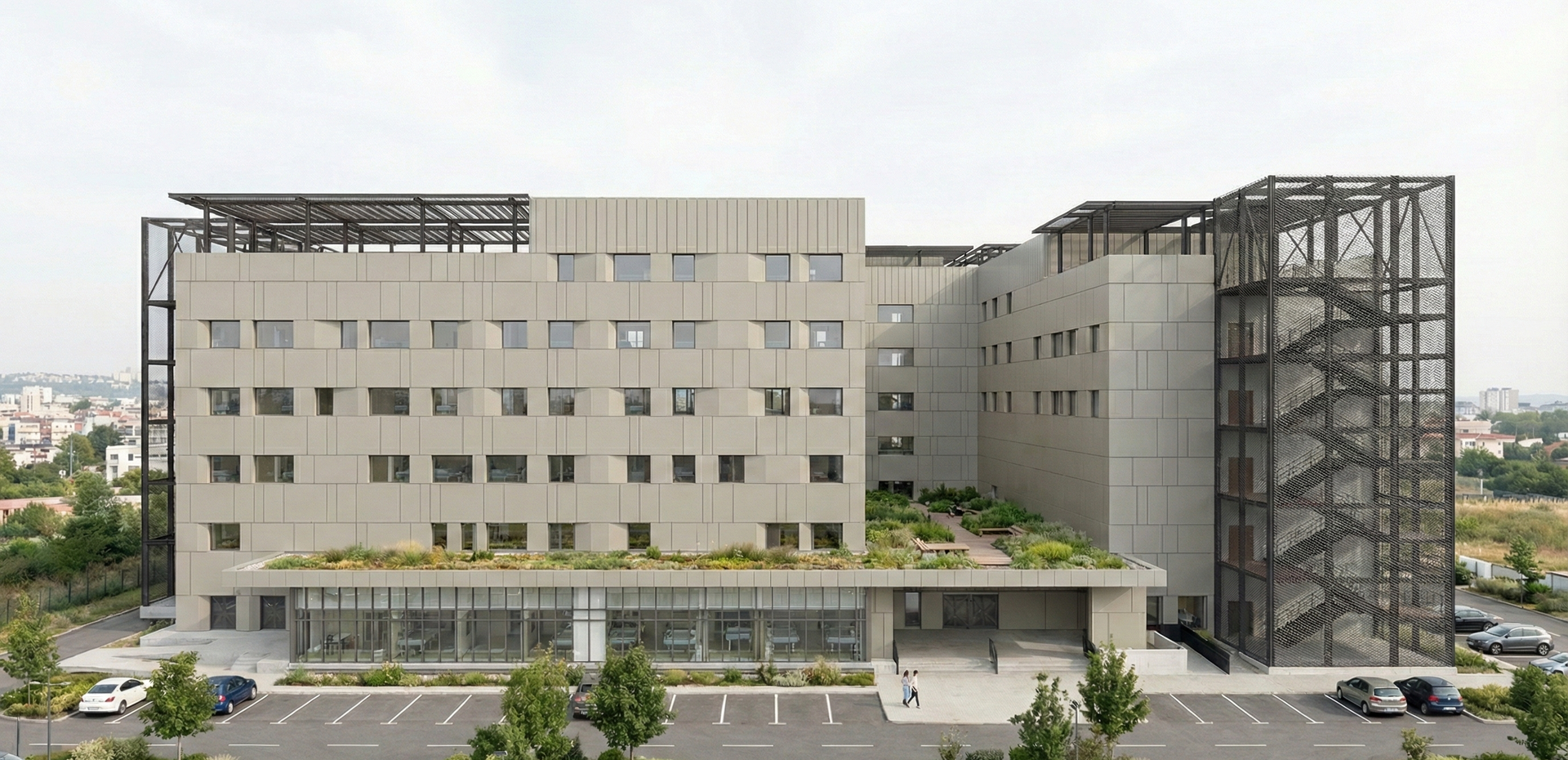
Completing the Bacău Municipal Pavilion" aims to transform an existing structure into a modern medical hub, strategically integrated into the Emergency County Hospital complex. The project proposes an "architecture of healing," where the S+G+5F volume is organized around a generous interior courtyard (15x21m), serving as a vital core for natural light and ventilation. The central objective is to achieve the highest standards of care by optimizing clinical flows and ensuring patient comfort, while implementing sustainable energy efficiency solutions for reduced consumption.
Centrul de Chirurgie Buco-Maxilo-Facială, București - Construcție nouă
INNOVA, Romania
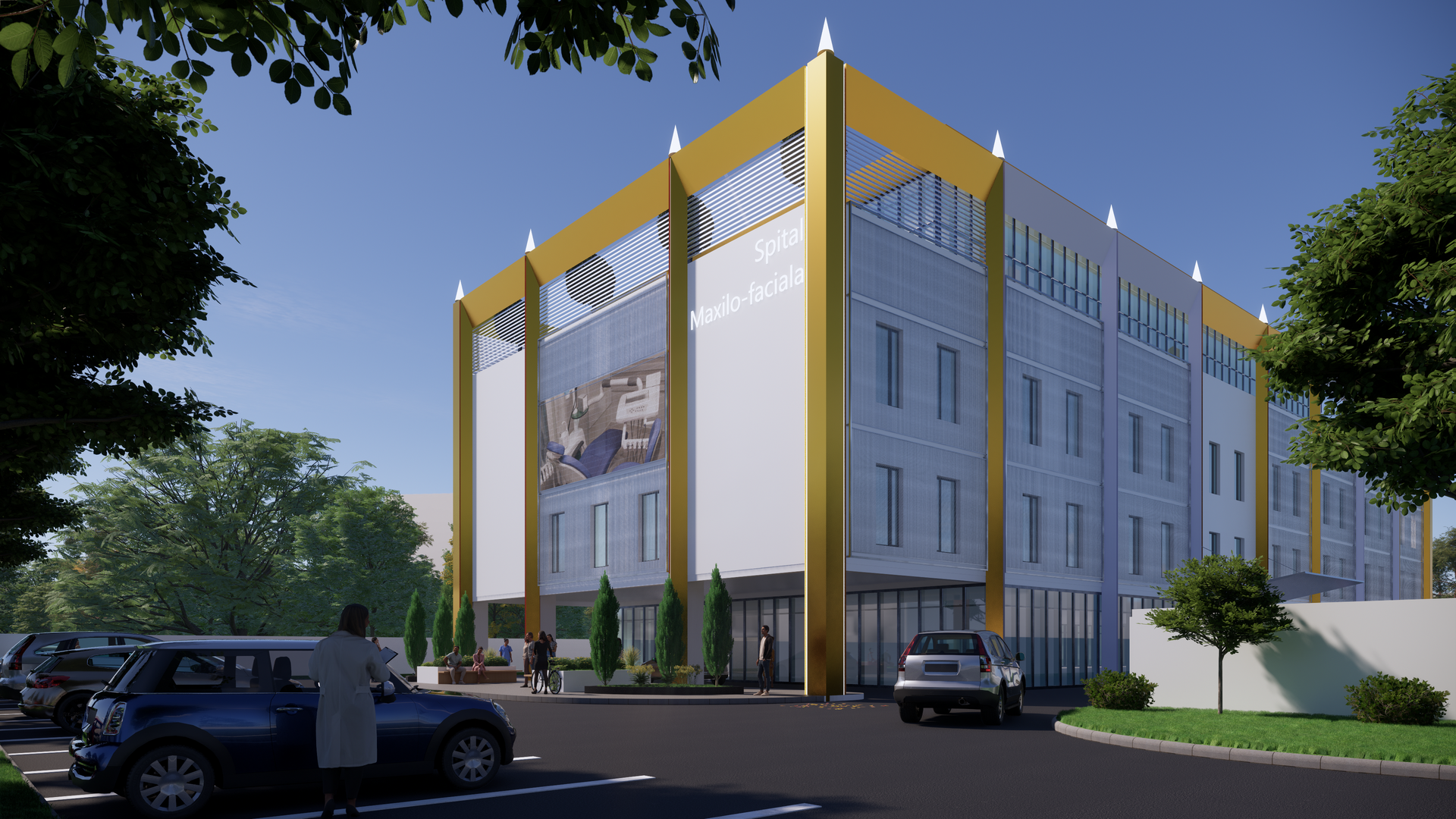
Approved Technical Documentation for Construction Authorization (DTAC).
The proposed functional layout includes: outpatient specialty clinic and dental radiology unit; patient admission and discharge department; closed-circuit pharmacy intended exclusively for internal use; continuous hospitalization Ward I – capacity: 25 beds; continuous hospitalization Ward II – capacity: 25 beds; operating block comprising 2 operating rooms; anesthesia and Intensive Care Unit (ICU) – capacity: 6 beds; sterilization unit; administrative offices; conference rooms and spaces dedicated to educational activities; logistical spaces; technical spaces
The Center of Excellence at the “Prof. Dr. Alexandru Trestioreanu” Oncology Institute, Bucharest
CONCRETE & DESIGN SOLUTIONS, Romania
The project is under construction, including SP / Masterplan.
It is a medical infrastructure project dedicated to advanced oncological treatment and clinical research. The complex integrates a proton therapy center, radiotherapy and nuclear medicine facilities, an operating block, intensive care and oncology wards, and research laboratories. Functionally connected to the existing hospital, the center creates an integrated system in which diagnosis, surgical interventions, oncological therapies, and research are carried out in a coordinated manner. The center provides patients in Romania with access to cutting-edge medical technologies that are currently available in only a few centers worldwide.
Hospital of Pneumophthisiology and Infectious Diseases Brașov
Leviatan Group, Romania
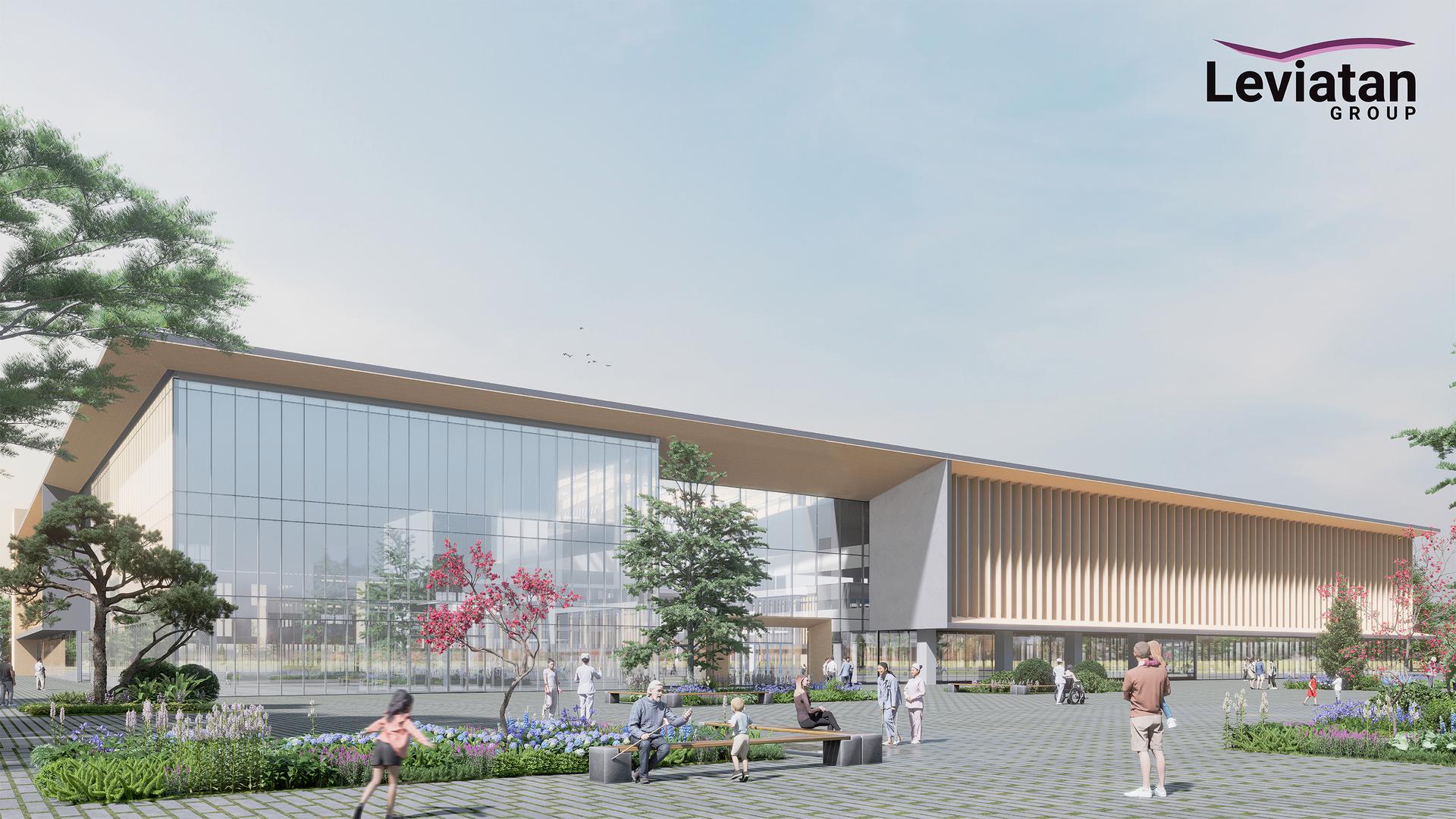
The project involves the construction of a modern hospital complex designed to NZEB+ energy standards, comprising four interconnected buildings with height regimes ranging from S+P+1E to S+P+4E. The facility will centralize services for Infectious Diseases, Pneumology, Phthisiology, and Thoracic Surgery, providing a total capacity of 279 beds for continuous hospitalization, 22 beds for day hospitalization, and a 15-bed Intensive Care Unit (ATI). Key facilities include an operating block, an integrated outpatient unit, high-security isolation wards, and an imaging center,. The design prioritizes epidemiological safety through separated circulation flows and incorporates renewable energy sources like photovoltaic panels and heat pumps.
Stavros Niarchos Foundation Global Health Initiative
Llewelyn Davies
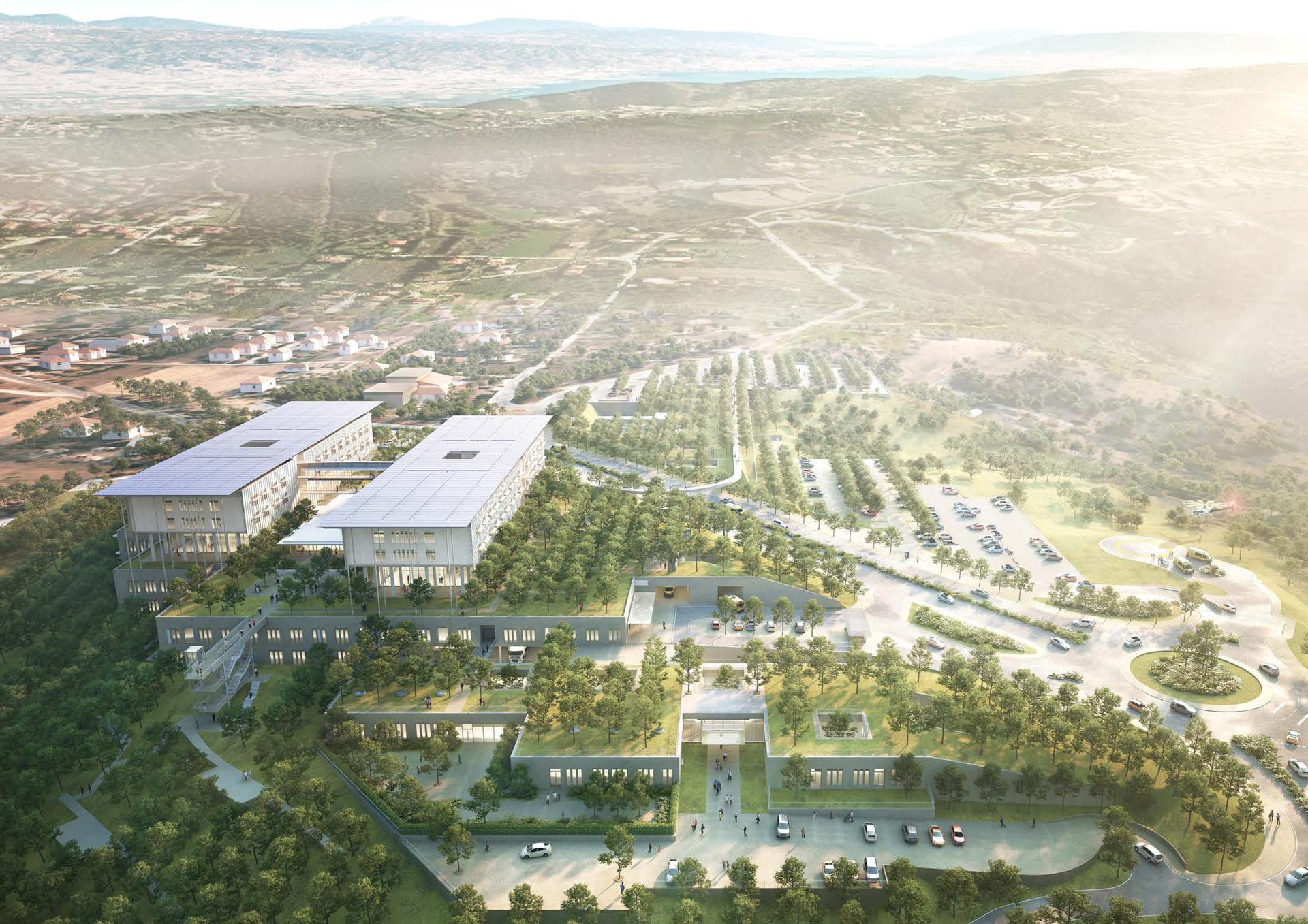
The Stavros Niarchos Foundation’s $1 billion-plus Global Health Initiative (GHI) seeks to strengthen physical and mental health by improving the quality of care for all, expanding access, and empowering providers on the front lines. The initiative is founded on collaboration: extensive public-private partnership in Greece and collaboration with international research institutions.
As a focus of this presentation we will be looking at the three hospitals in Greece, the General Hospital of Komotini, the University Pediatric Hospital of Thessaloniki and the General Hospital of Sparta, currently under construction.
Designed by world renowned Architect Renzo Piano, in collaboration with UK based international healthcare design firm Llewelyn Davies and local Architect Betaplan, the project aims at setting a blueprint for a new typology of hospitals, combining a human centric approach with clinical and scientific excellence.
Western Memorial Regional Hospital
Archus
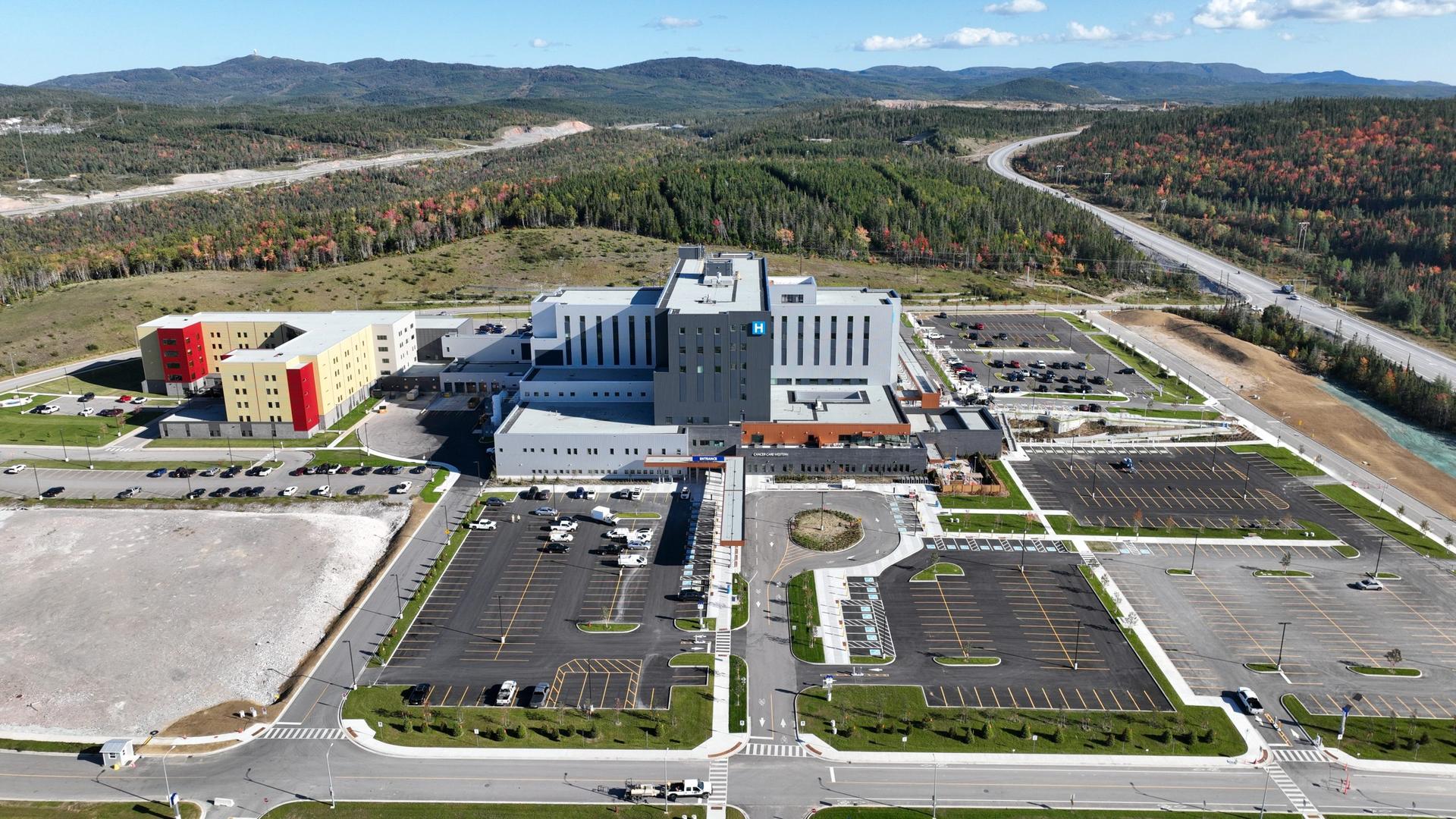
Tackling healthcare planning challenges for Corner Brook's new 164 bed Acute Care Hospital to create a modern healthcare hub, fit for a dispersed community. Archus performed the Bridging documents and the clinical brief as part of the procurement package. The hospital was opened in 2024.
Cape Verde National Hospital
Archus
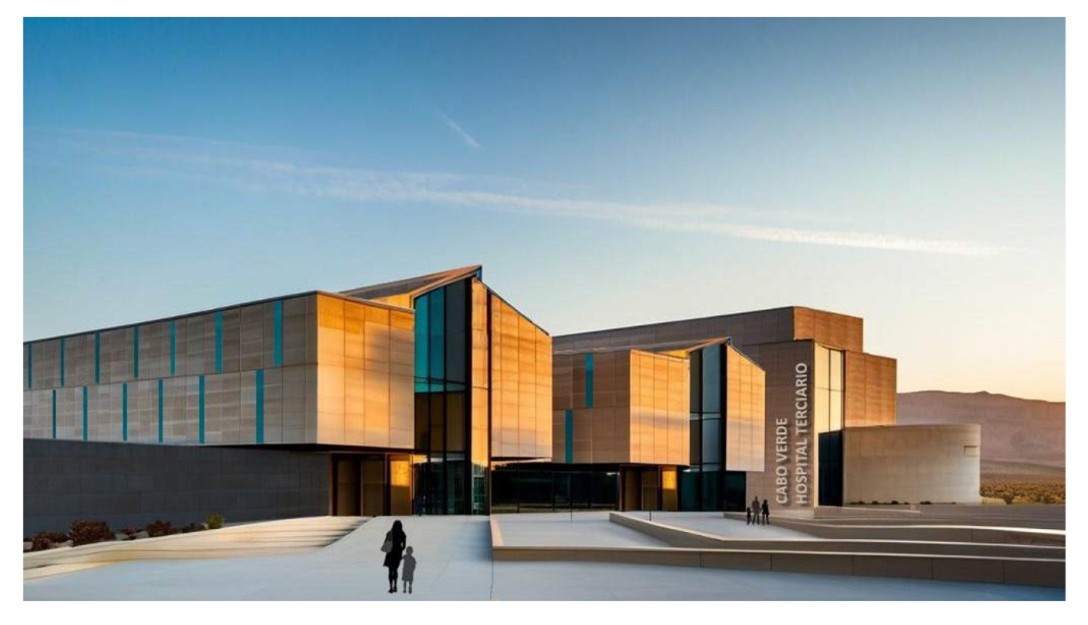
As part of a national strategy to reduce patient evacuations abroad for specialist surgery and treatment, the 108 bed Cape Verde National Hospital aims to provide new tertiary oncology and cardiology services locally. The project is delivered through PPP procurement involving infrastructure as well as clinical services.
National Children's Hospital of Ireland, Dublin
Building Design Partnership (BDP)
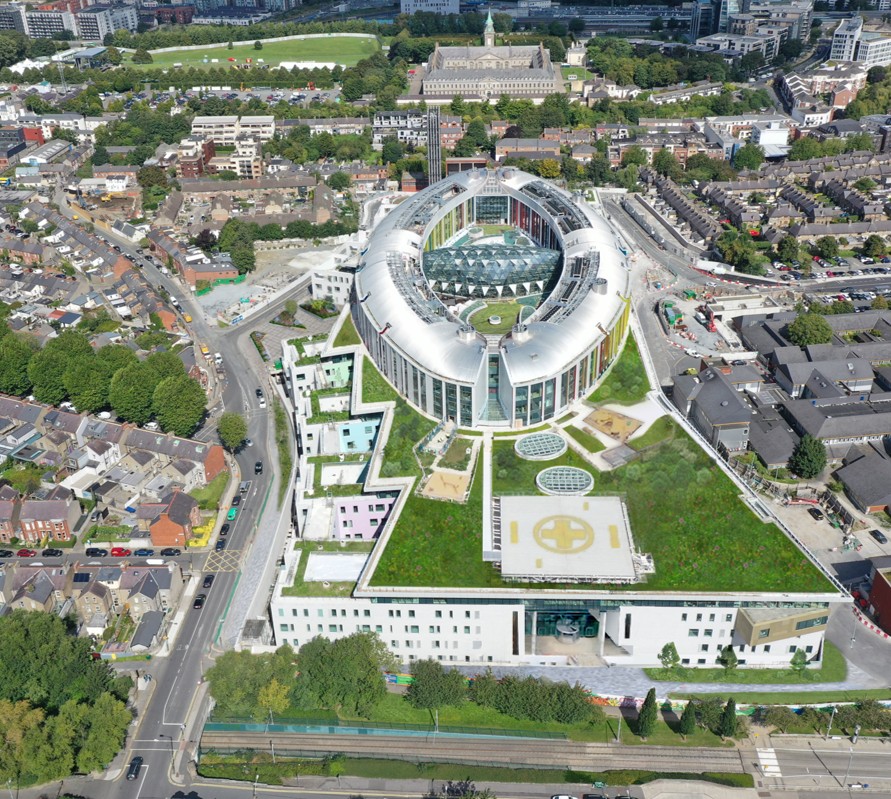
Humanising the experience of hospitals requires a paradigm shift from the hospital conceived above all as a functional machine to the hospital conceived as an urban neighbourhood, familiar. welcoming, permeable and diverse. Thinking of hospitals in urban terms not only transforms the way they are experienced once complete but also makes the process of designing them more accessible and engaging for non-experts. In my recent book, ‘Big House Little City - architectural design through an urban lens’, I trace this conceptual approach back to Leon Battista Alberti, the Renaissance architect, who saw a reciprocity in cohesive communities between the form of houses and the form of the wider city as a collective house. I bring his message up to date with examples of health projects where an urban approach to the design of the hospitals underpins striking new identities as well as effective processes of co-creation. The projects include Alder Hey Children’s Health Park in Liverpool, completed in 2015, the new Children’s Cancer Centre at Great Ormond Street Children’s Hospital in London, currently under construction, and the National Children’s Hospital in Dublin, due to open in 2026.