Polat Levent Exclusive
Office: GAD - Global Architectural Development
Stage: Under construction
Team: arch. Gokhan Avcioglu
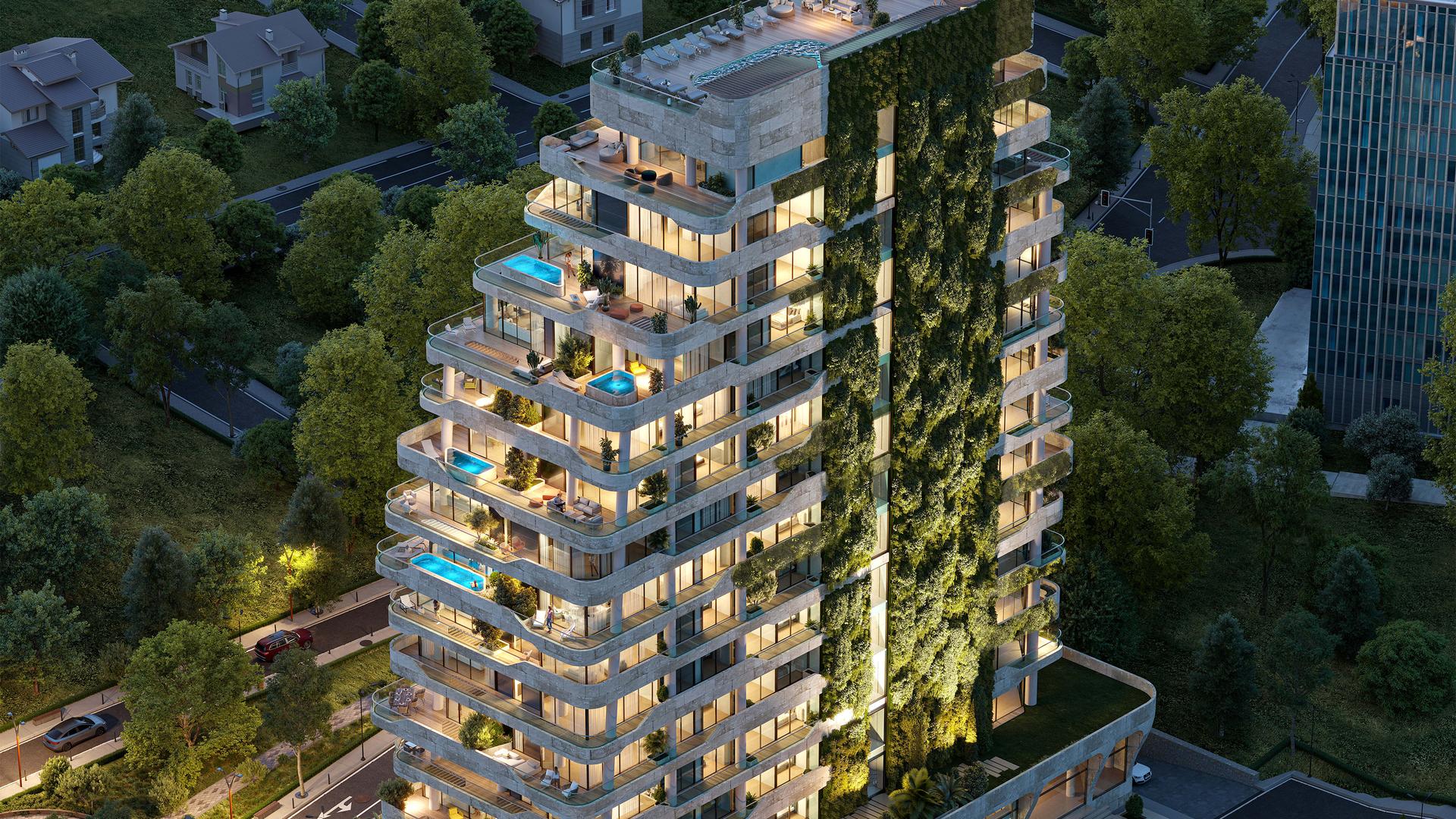
Polat Levent is a 14-story residential project in Istanbul's Levent district. The project integrates sustainability through biophilic design, natural stone facades, expansive balconies, and energy-efficient glass that maximizes daylight and ventilation. Green terraces and walls, water features, and landscaped areas enhance the microclimate and support well-being in urban living.
NewADA RESIDENTIAL
Office: GAD - Global Architectural Development
Stage: Under construction
Team: arch. Gokhan Avcioglu
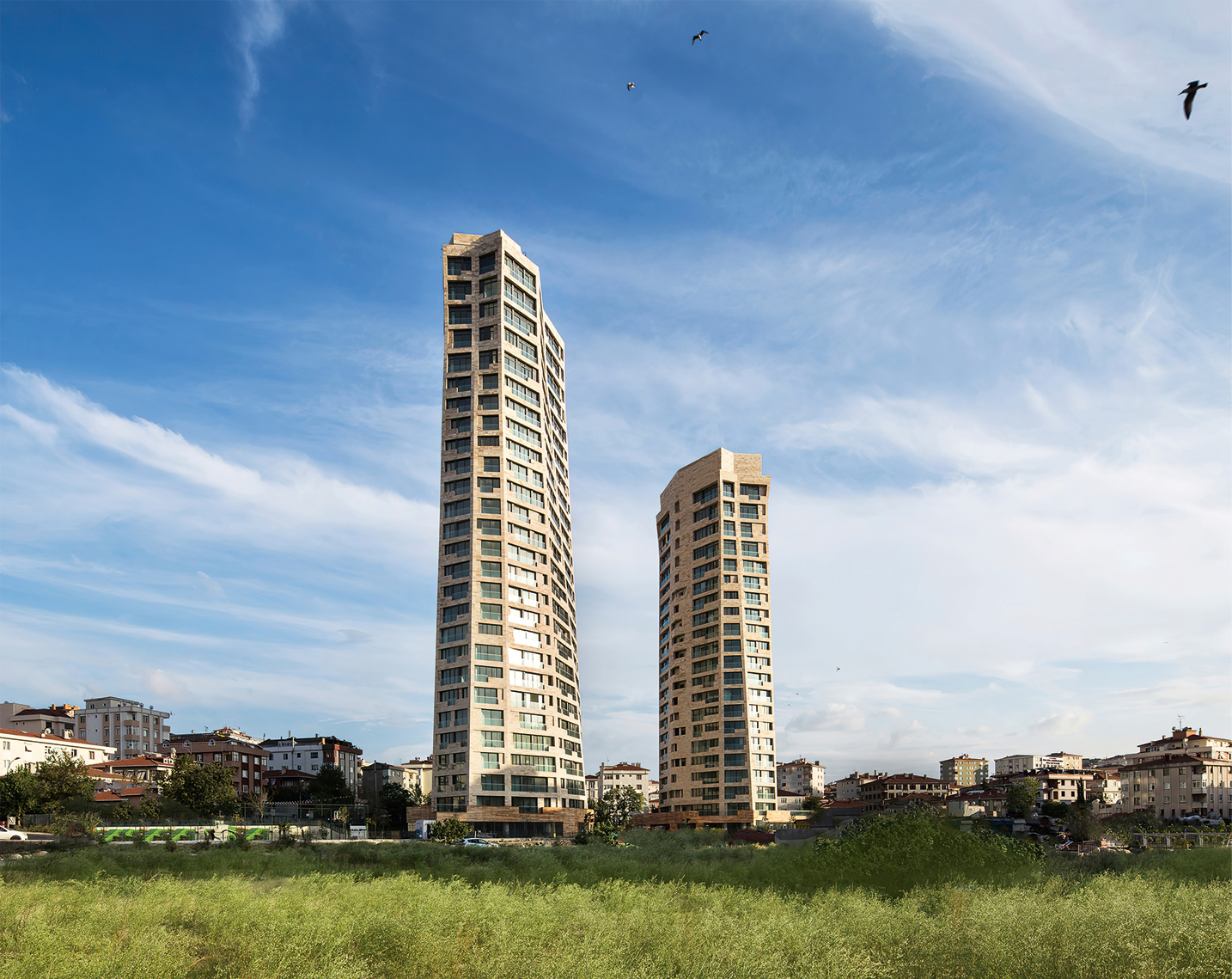
Newada is a luxury high-rise residential project in Maltepe on Istanbul’s Anatolian side near the Marmara Sea. The 800-meter southern façade faces the sea, capturing views of the Princess Islands. Designed with sustainable and biophilic principles, the project maximizes daylight and natural ventilation while integrating terraces, green areas, and native planting to strengthen the connection between residents and nature.
Photography Seoul Museum of Art
Office: JADRIC ARCHITEKTUR
Stage: Completed
Team: arch. Mladen Jadrić
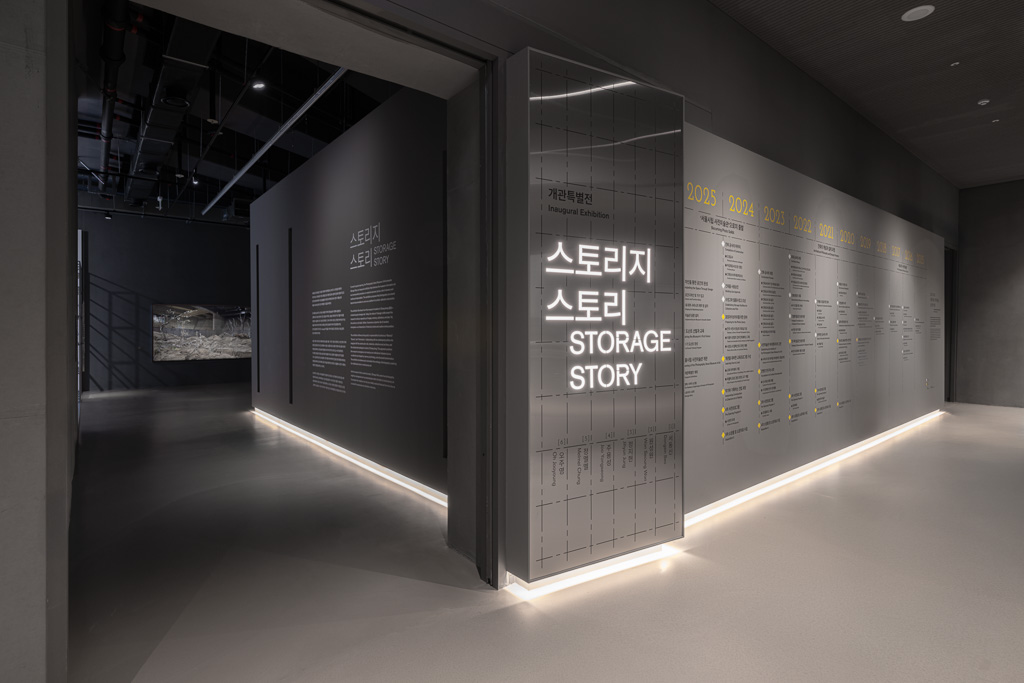
The dynamic design will serve as a sculptural landmark along the future cultural mile in Chang-dong-Area in Seoul, South Korea. Its twisted, monolithic form enriches the surrounding public space and the architectural identity of the neighborhood as a whole. The symbiosis between photography and architecture can be seen as follows: Photography is painting with light; architecture is the play of forms gathered in light.
Unhistoric Townhouse
Office: System Architects
Stage: Completed
Team: arch. JEREMY EDMISTON
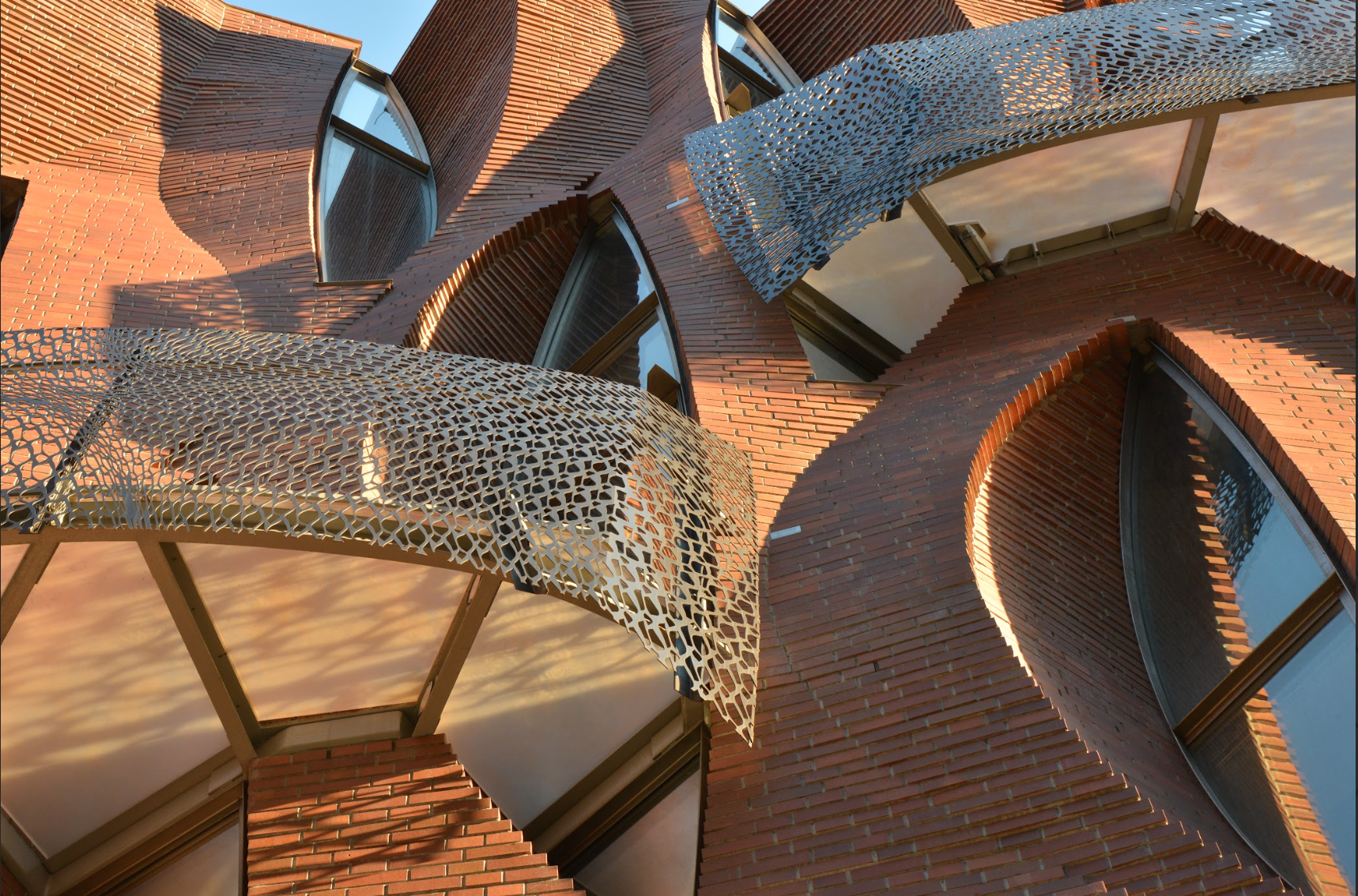
In a landmarked district in lower Manhattan, this project used the historic material of the neighborhood to create a geometrically twisted facade that responded to the contemporary uses of the new building. By scripting the ruled design surface, control of the material was achieved so the facade could be changed and adjusted effectively leading to construction by human bricklayers. The digital control of the material during design, also allowed for the depth of the wall to be created as a permanent template for the facade, insulation and as a template for the interior brick surface. This project is part of a renewed interest by designers in brick because it can be deployed in innovative ways as a result of the resurgence in new tools available to the designer and builder.
Re-Imagining the Brick
Office: Solidified Design
Stage: Completed
Team: arch. KESRA MANSURI
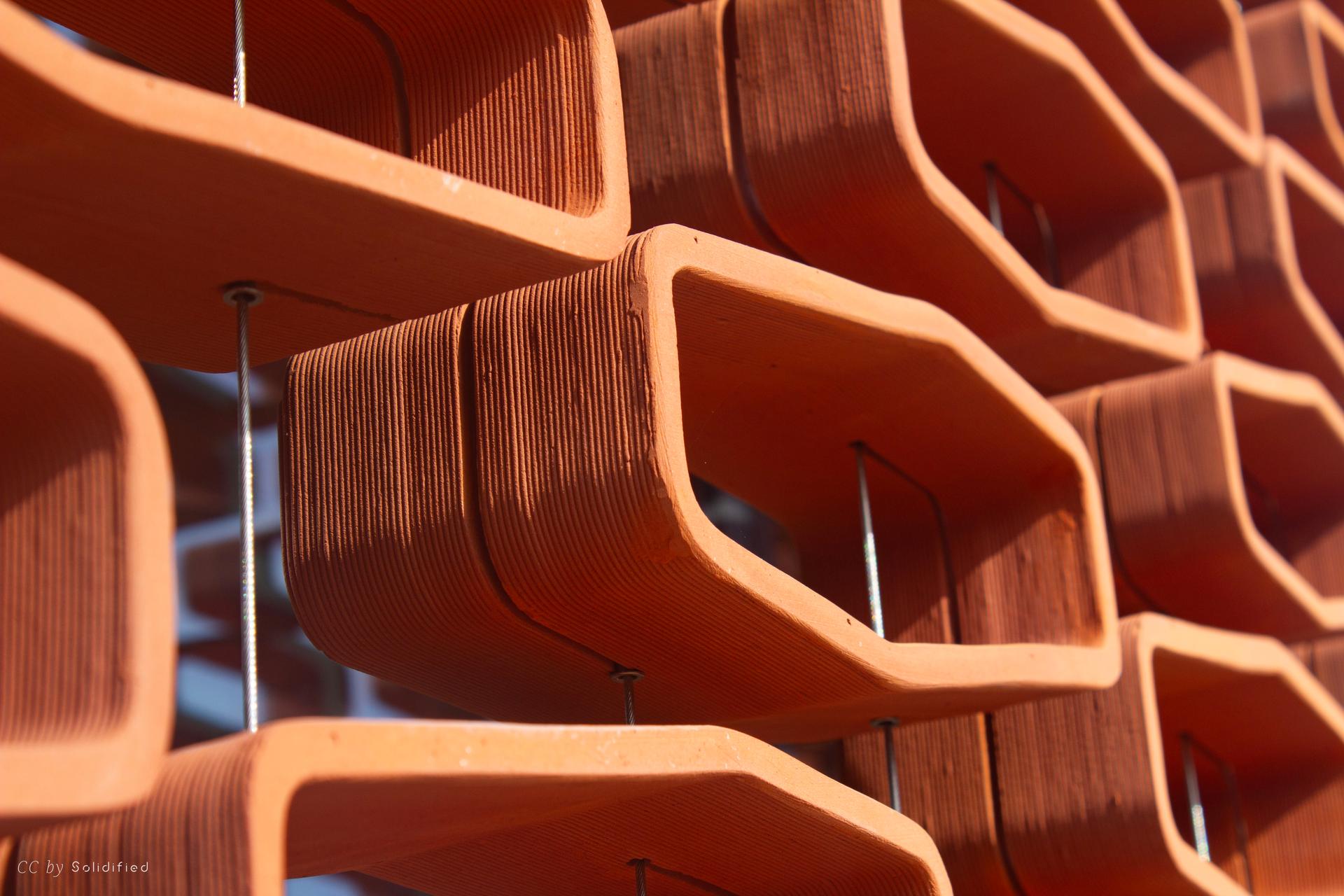
Under three sub catogories, we present our ongoing research in the design and development of traditional brick morphology. By converging innovative and sustainable manufacturing processes with locally sourced clay materials, we showcase small projects and installations featuring climate-responsive smart shading bricks, structurally optimized brick voussoirs, and freeform cladding tiles.
The Symphony
Office: Zaha Hadid Architects
Stage: Under Construction
Team: arch. PAOLA CATTARIN
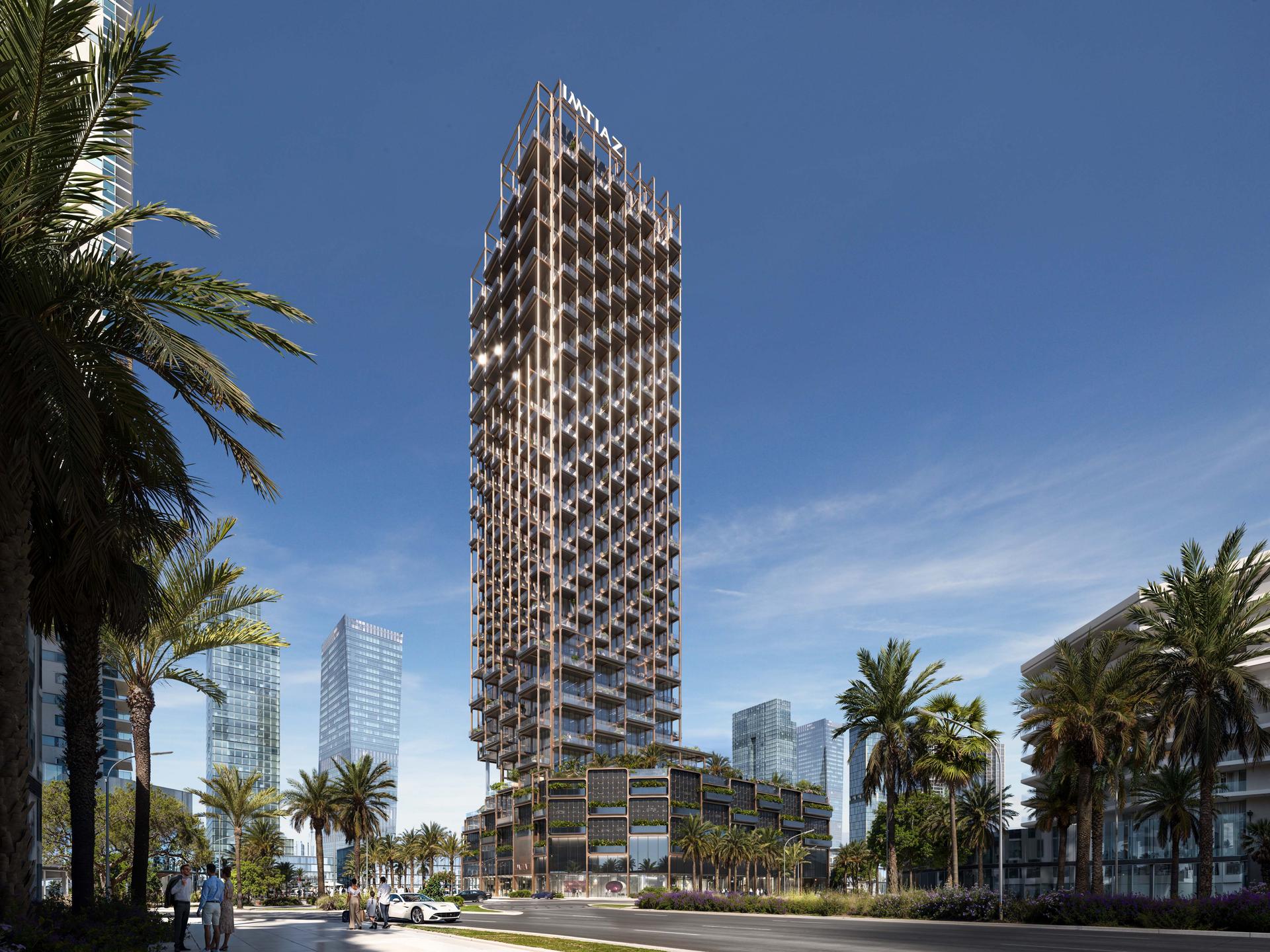
The Symphony (Symphony Tower) is a 42‑storey residential tower in Dubai’s Horizon District, designed by Zaha Hadid Architects for Imtiaz Developments. Its architecture is defined by a precision‑engineered structural exoskeleton inspired by the traditional Emirati weaving crafts Al Sadu and Talli, creating an interlaced façade that shifts in tone and depth with the movement of the sun. The tower integrates private outdoor terraces carved within the exoskeleton, offering shaded exterior living spaces throughout the year. Sustainability features include PV‑powered lighting, recycled steel, low‑carbon concrete, and water‑saving systems, positioning the project as a contemporary blend of craft, structure, and environmental performance.
Romeo Hotel
Office: Zaha Hadid Architects
Stage: Completed
Team: arch. PAOLA CATTARIN
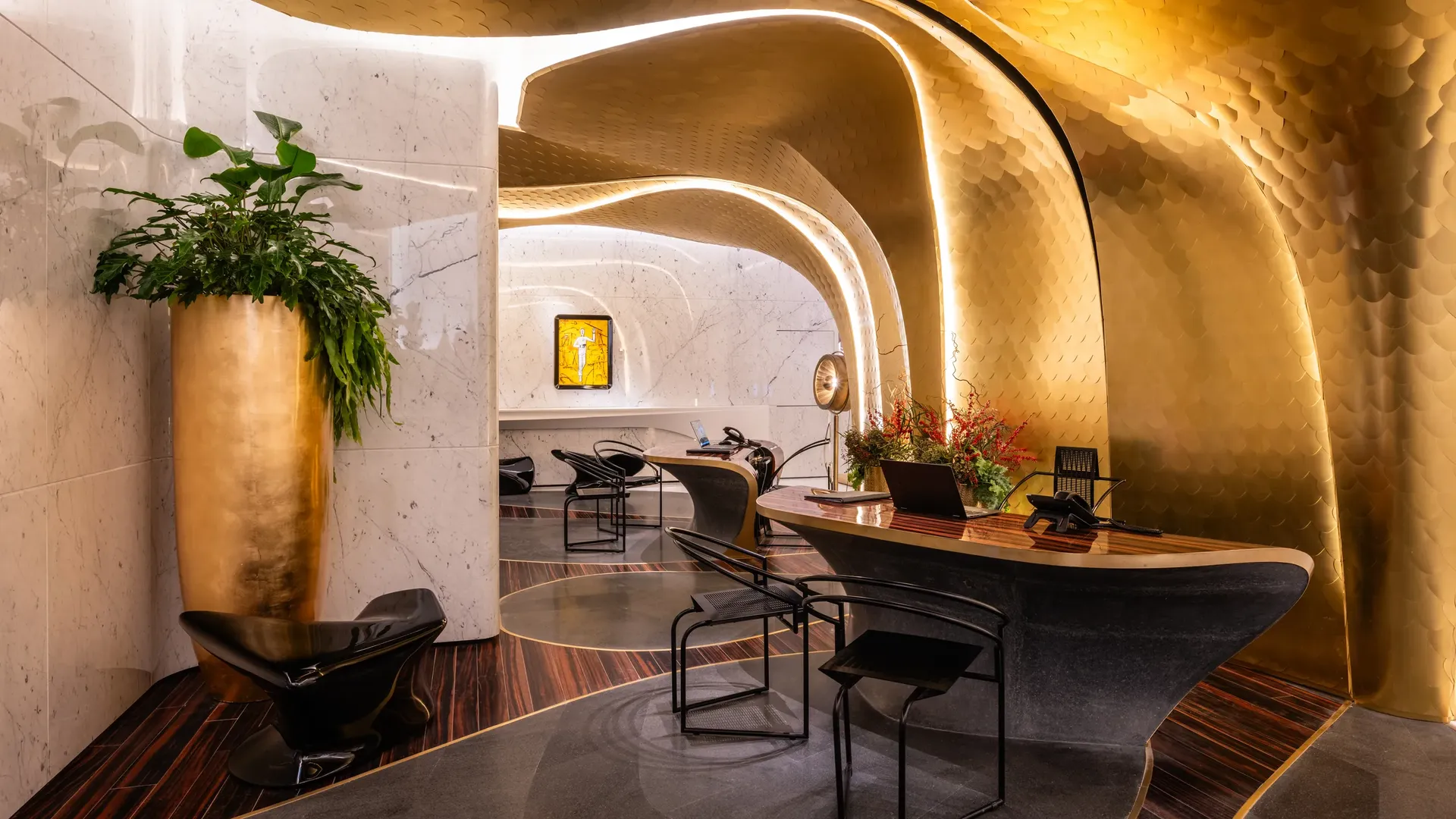
The Romeo Roma Hotel is a luxury 5‑star hotel housed in the historic 16th‑century Palazzo Capponi, transformed by Zaha Hadid Architects into a contemporary architectural experience that blends fluid, sculptural interiors with Rome’s layered history. Located steps from Piazza del Popolo, the hotel features vaulted, curving geometries, a design language inspired by Rome’s Baroque and Renaissance ceilings, reinterpreted through ZHA’s signature spatial fluidity.
Scada Table
Office: Ro-Lab Studio
Stage: Completed
Team: arch. Yiğit Alp
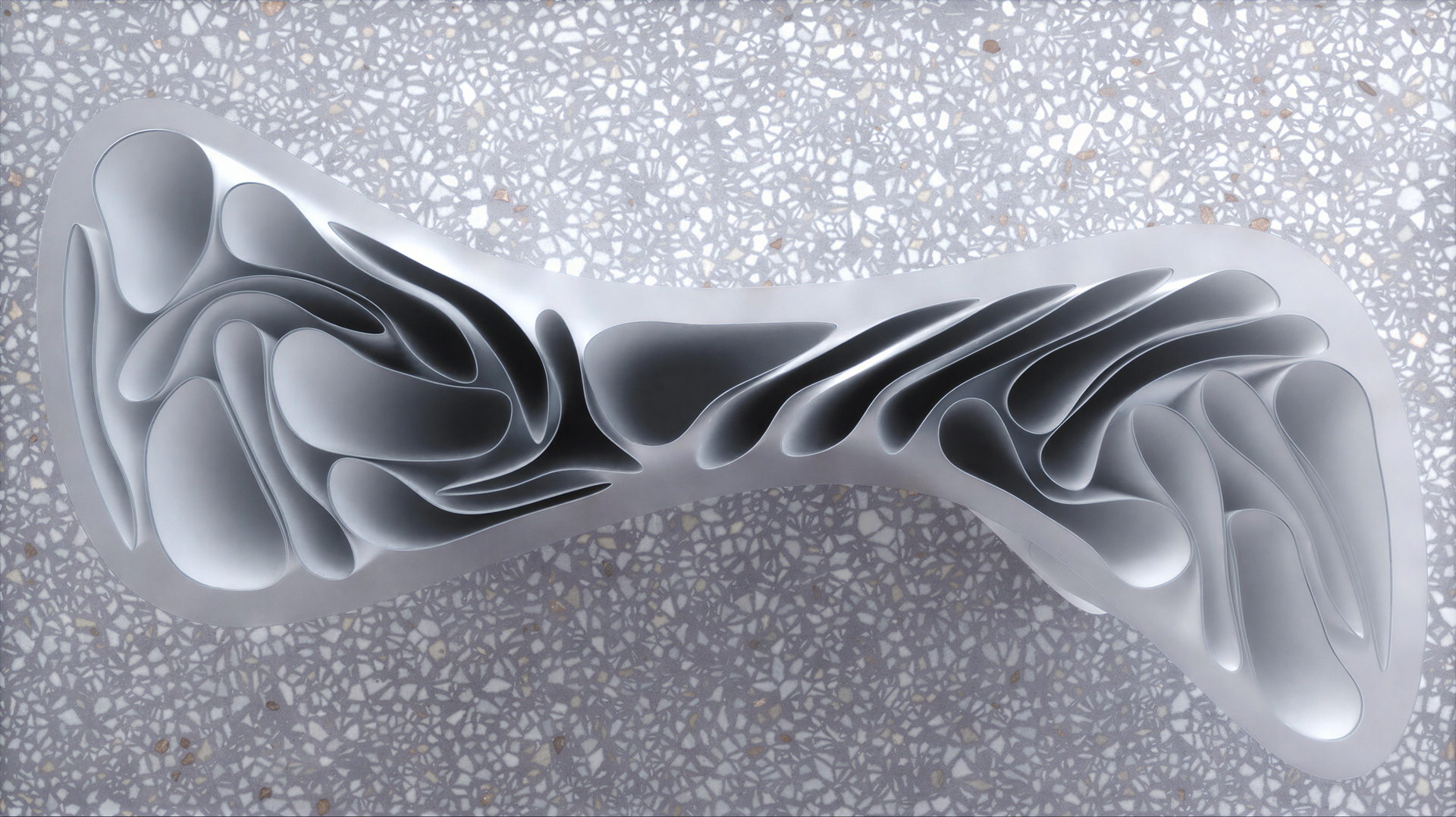
SCADA Table is a large-scale parametric furniture piece produced through robotic additive manufacturing. The 4 m × 2 m table consists of 21 interlocking 3D-printed components that form a structural base supporting a semi-transparent acrylic top. The project investigates how computational design and robotic fabrication can enable complex geometries, modular assembly, and efficient material use in architectural furniture production.
Swiss Collection
Office: Basire Design
Stage: Completed
Team: arch. Alexey Ivzhenko
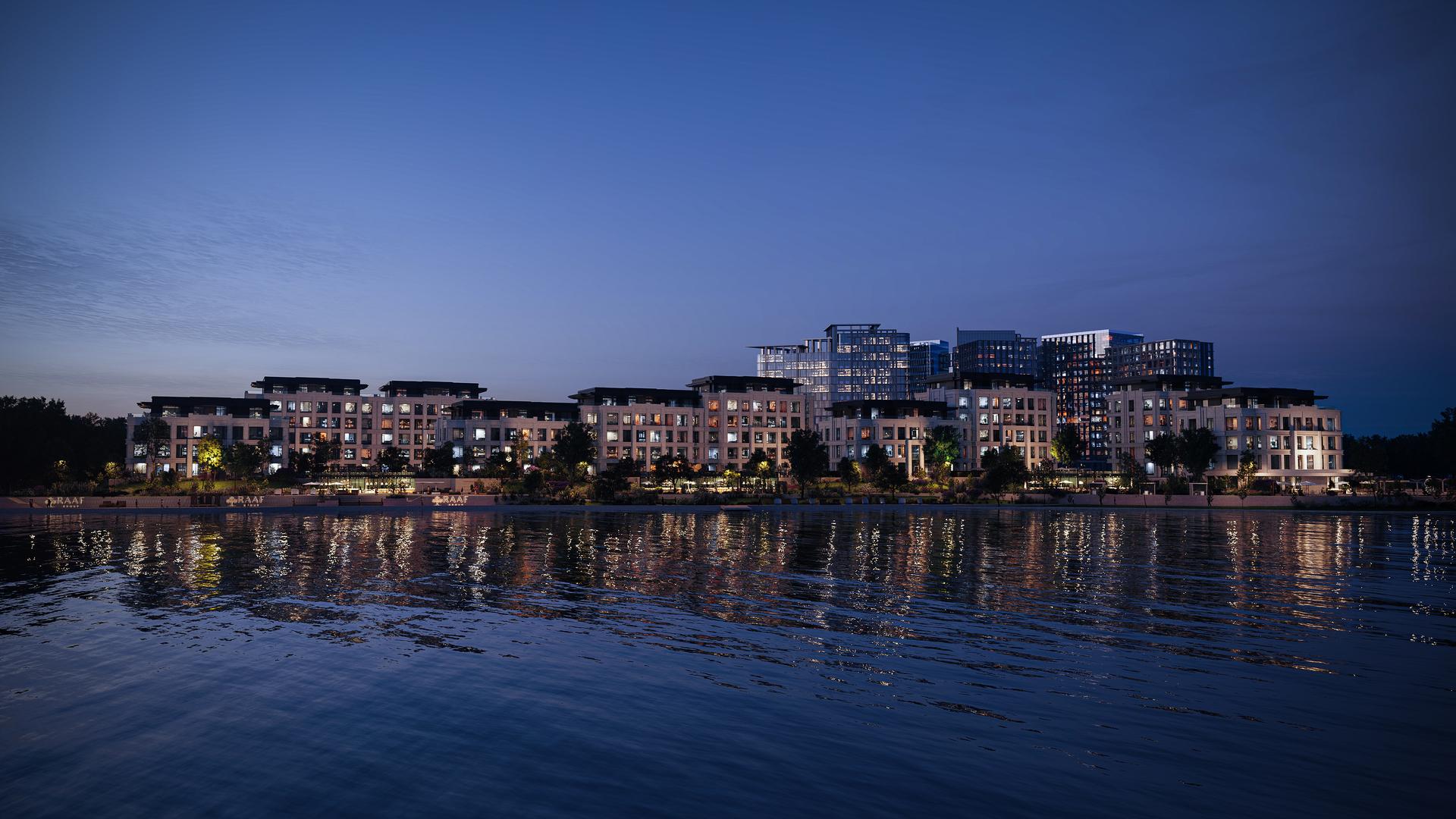
Swiss Collection is a premium mixed-use development located on the Yesil River in Astana, combining private residences, a five-star Swissôtel, and Class A+ business spaces. The lecture will use this project to reveal how architecture is shaped through human intelligence — from the first conceptual sketches and spatial ideas to the final built environment.
Almaty City Park
Office: Basire Design
Stage: Under Development
Team: arch.Alexey Ivzhenko
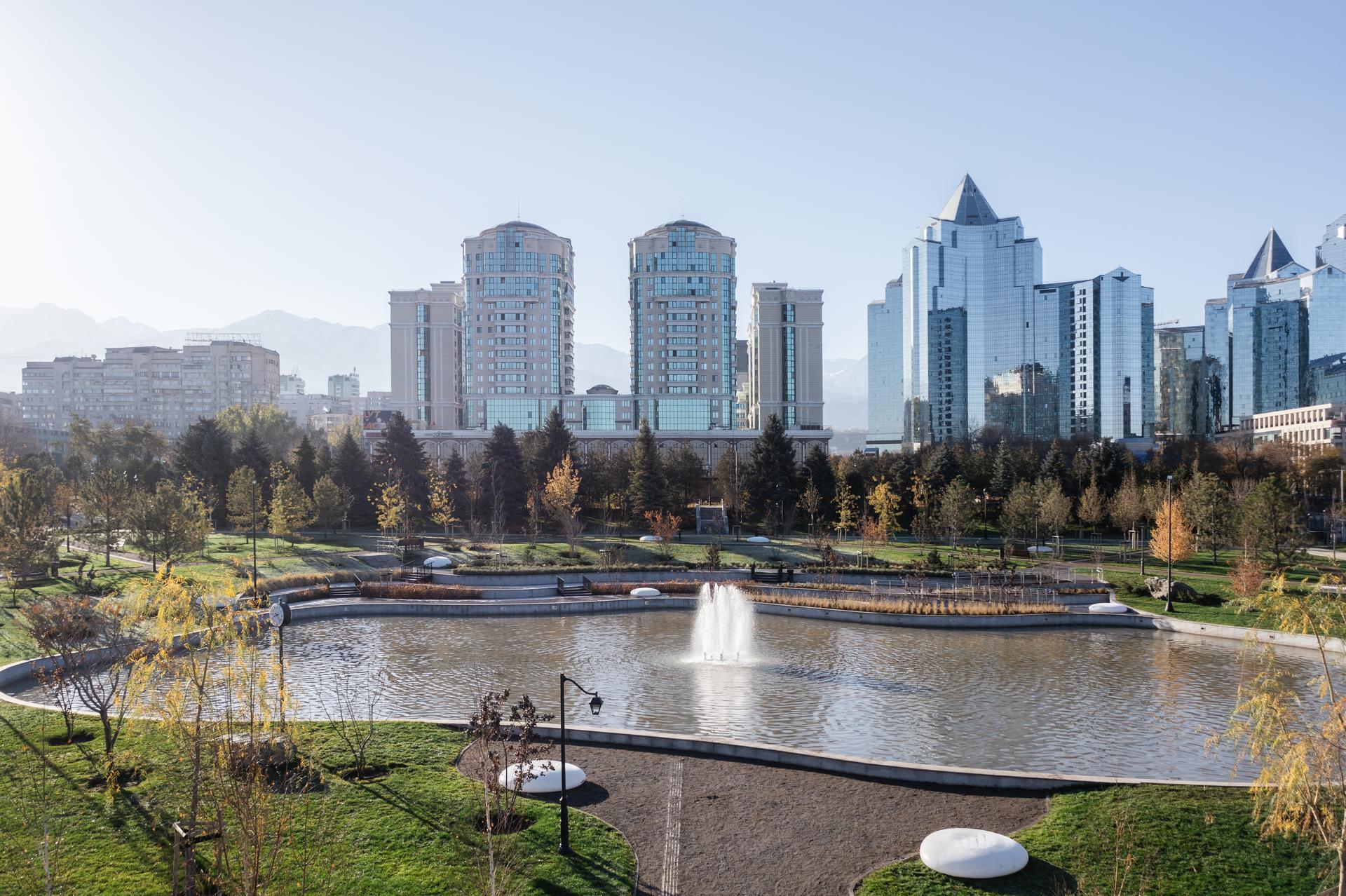
Almaty City Park is a major public landscape project in the center of Almaty, transforming a former closed territory into an open urban environment. The project introduces a central lake, gardens, promenades, and public spaces, while integrating a memorial complex and a mixed-use development within the same urban block. The lecture uses this transformation as a case study to show how human intelligence and experience shape complex urban environments.
Tourism Master Plan at Giza Pyramids
Office: Planning & Urban Development
Stage: Under Development
Team: arch. Amr Attia
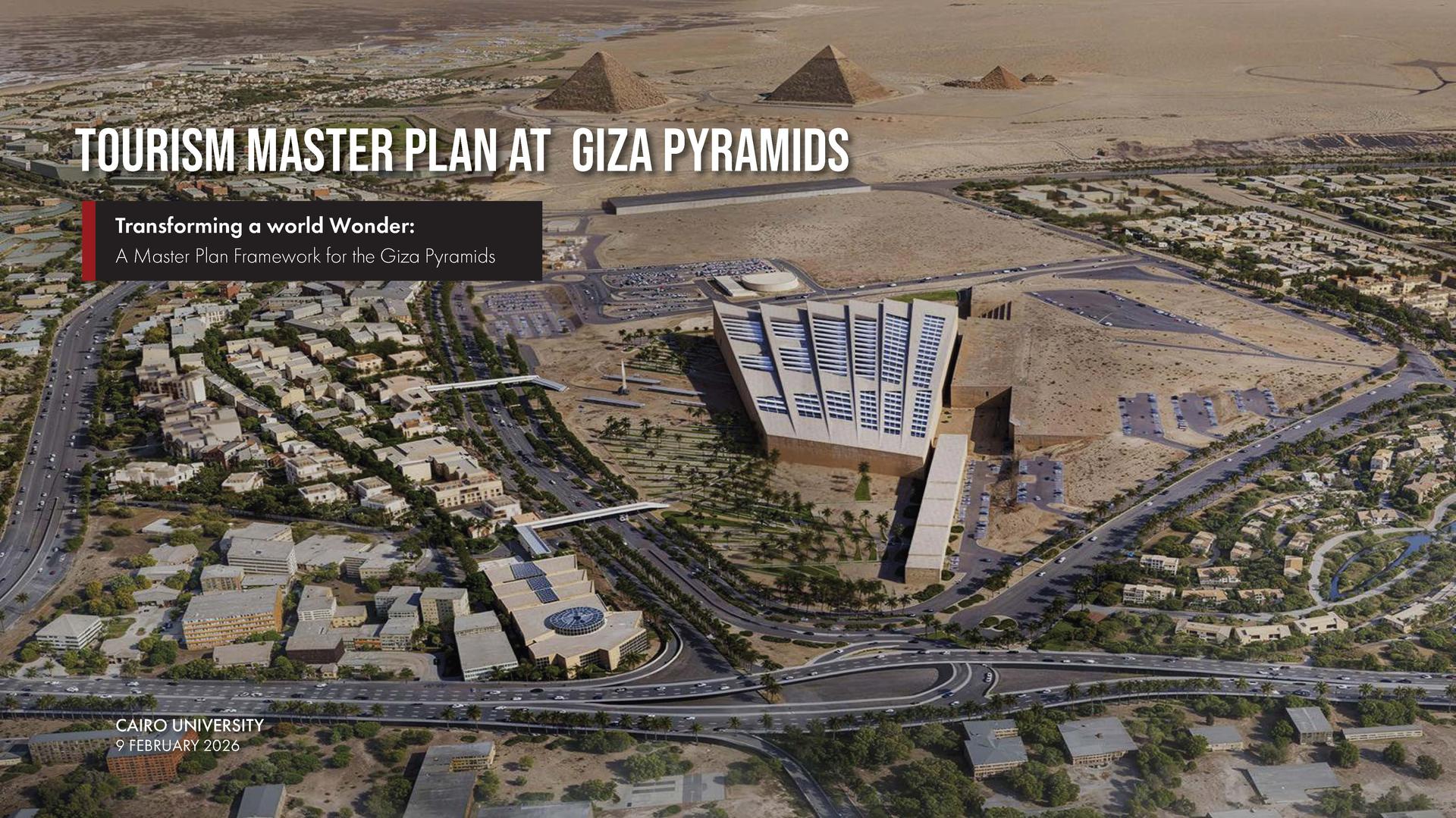
The Greater Giza Region will be reimagined as one of the world’s most celebrated cultural and tourism destinations, where the timeless majesty of the Pyramids meets the vibrancy of an inclusive and sustainable urban future.
Rooted in heritage and shaped by contemporary design and infrastructure, it will offer unforgettable experiences for visitors, dignified livelihoods for local communities, and a global model for the responsible development of World Heritage landscapes.
Faderco HQ
Office: BINAA
Stage: Under Construction
Team: arch. Burak Pekoglu
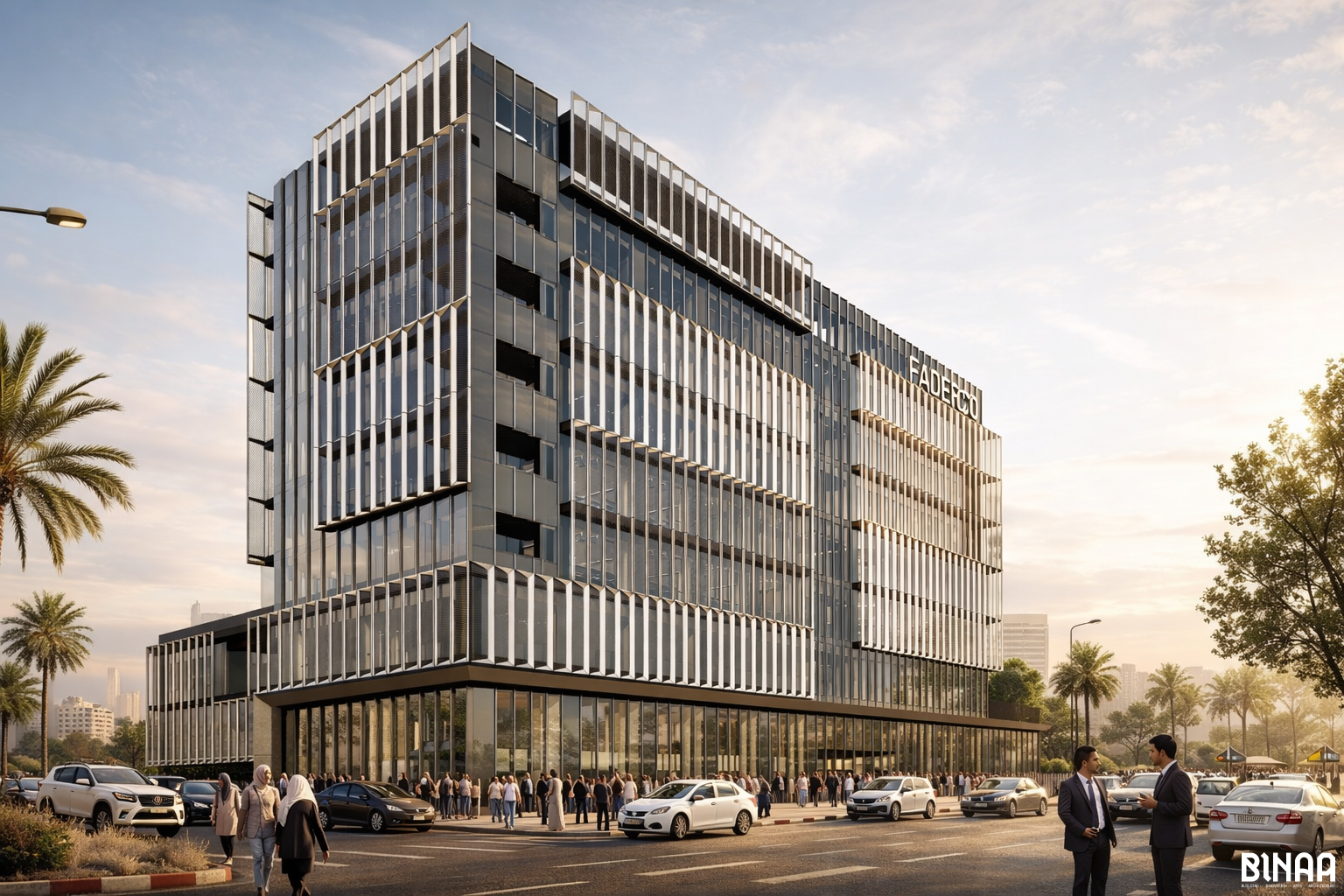
Located in Bab Ezzouar, Algeria, FADERCO HQ features a sleek curtain wall wrapped in a secondary facade of 4-meter-long, rhythmically folded aluminum panels. Adapted to the regional sun, this layered envelope creates shifting light and shadow patterns all day. By filtering daylight for optimal solar control, it ensures interior comfort. Inside, the dynamic building comprises a double-height ground floor with social areas, typical offices, a management floor, and open terraces.
S2OSB Headquarters & Conference Hall
Office: BINAA
Stage: Completed
Team: arch. Burak Pekoglu
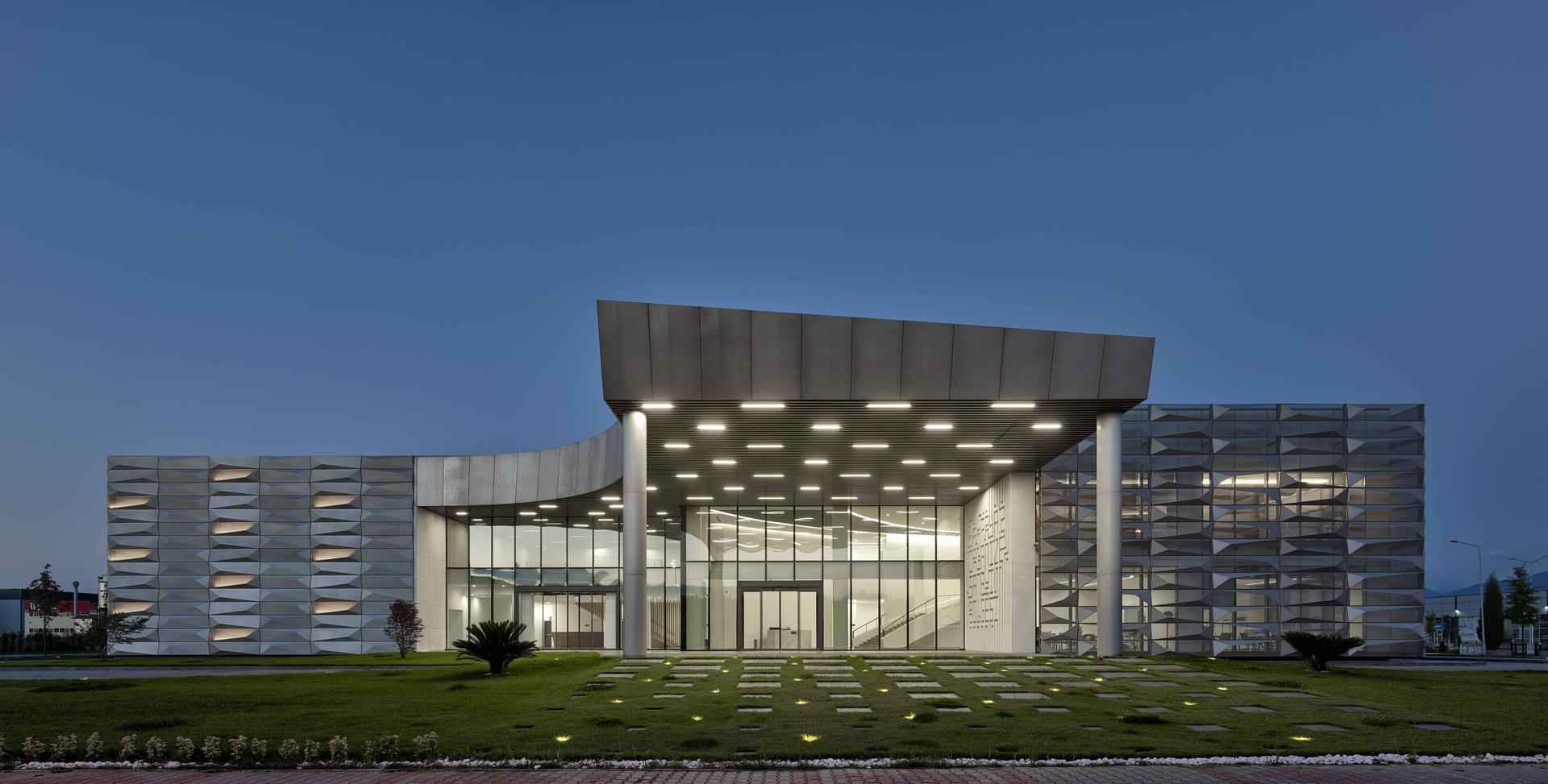
The interior consists of two separate foyers: one serving offices and one serving the auditorium with 170 seats. The grand canopy allows access on both sides, which provides a semi-enclosed space for larger activities. The conference hall fits inside the solid panels while the inner shell is made of acoustacilly engineered, geometric, laminated wood panels. The natural stone and wood create a warm atmosphere inside, in contrast to the cold metal exterior. The façade, made of thoughtfully crafted metal, wraps around the building from the head offices to the conference hall and helps communicate the structure’s multi-faceted purpose. At the conference hall, the geometrically textured shell starts with mostly solid panels followed by perforated panels, increasing rhythmically until they detach as a double façade that filters controlled daylight to the offices.
The Drop
Office: Bjarke Ingels Group
Stage: Under Construction
Team: arch. Petros Palatsidis
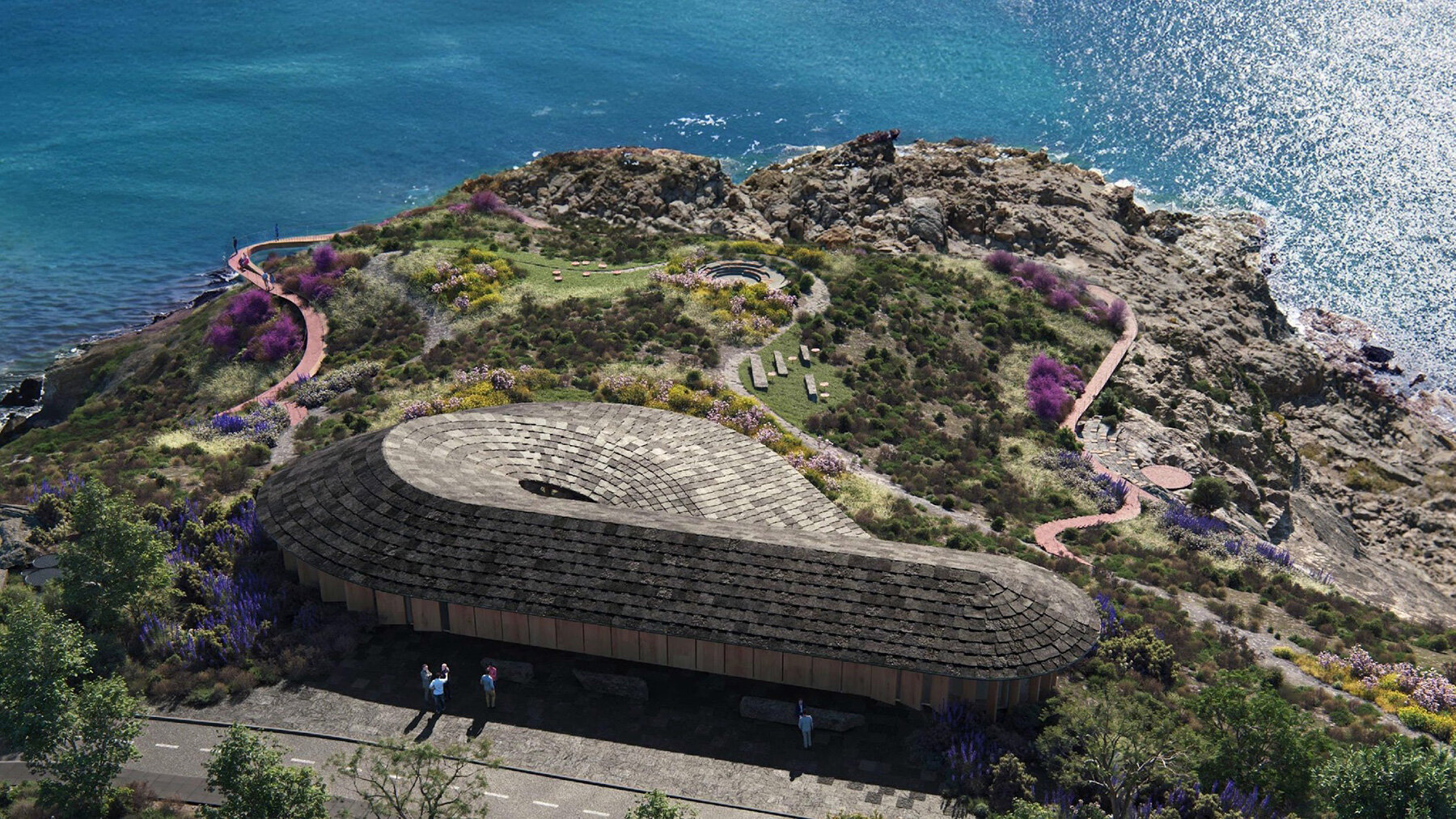
The Ion Riva Beach House, known as The Drop, blends into a rocky hilltop overlooking the Black Sea. Its form and construction solutions draw from the vernacular architecture of the Black Sea, with a linear street-facing form and a curving sea-facing volume. The house integrates a café, restaurant, lounge, and spa, built with timber, concrete, and basalt, connecting with nature. The landscape strategy, featuring stone and corten steel paths, enhances the site’s beauty. Sustainability is key, with geothermal systems and low-carbon materials. The Drop is a harmonious fusion of nature, community, and coastal living.
JRC Joint Research Center
Office: Bjarke Ingels Group
Stage: Under Construction
Team: arch. Petros Palatsidis
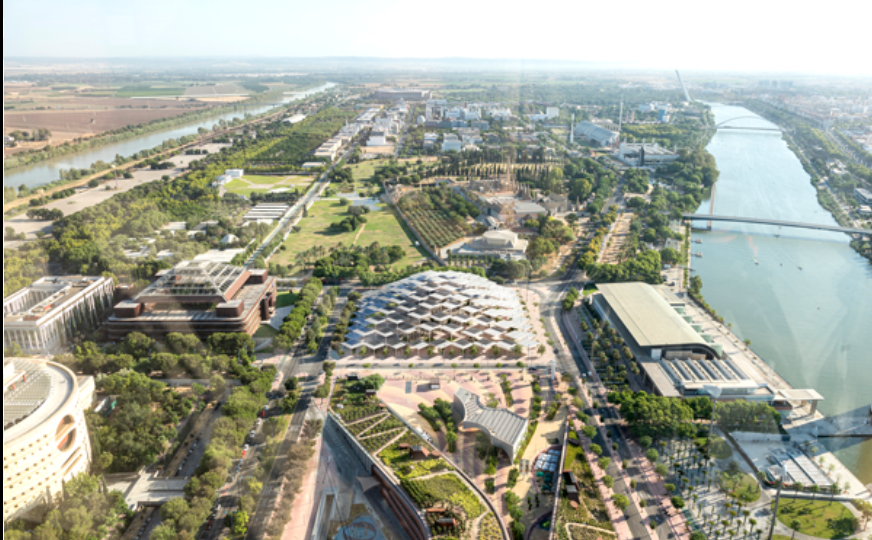
The future Joint Research Centre (JRC) in Sevilla aims to push sustainability boundaries, uniting the European New Bauhaus initiative, eCity Sevilla’s 2025 sustainability goal, and the Cartuja Qanat’s decarbonization mission. Our proposal goes beyond these ambitions, creating a new breed of building: a beacon for sustainability, public space, and future work environments. This ecosystem, tailored to Sevilla’s social and physical vernacular, will serve as a model for the future of both the planet and its people.