NSC - New Science Centre, Singapore
Zaha Hadid Architects
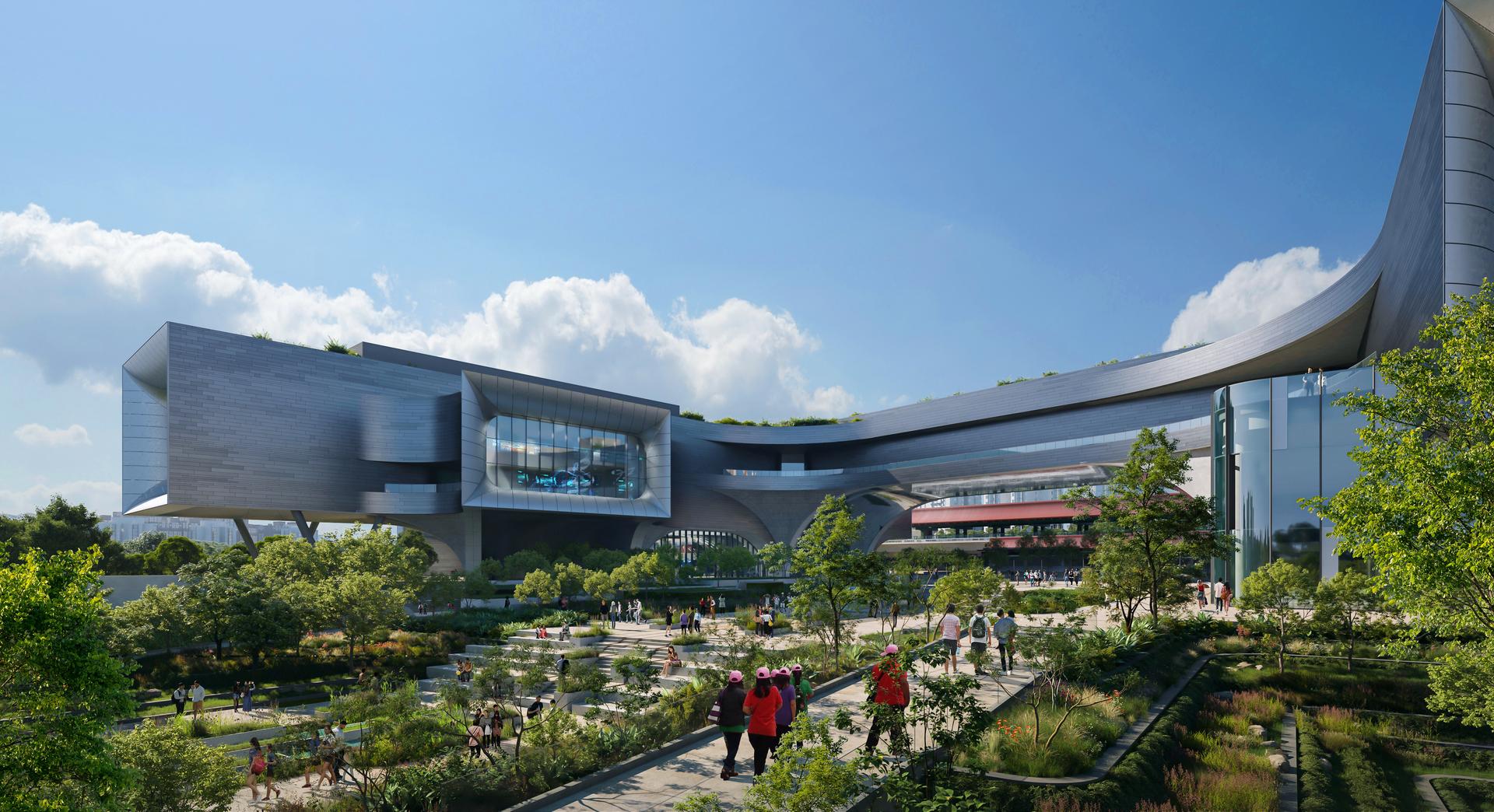
Informed by the sequence of logical inter-relationships that are the foundations of science teaching, the New Science Centre’s design establishes a network of five interlocking rectilinear volumes housing a variety of exhibition galleries, interactive labs and event spaces in addition to the restaurant, café, shops, administrative offices, archives and service areas. Each of the five interconnecting volumes has been precisely orientated to enhance the relationships between the centre’s interior and exterior spaces while also preserving the existing natural woodlands along the lakeshore. With striated polished aluminium panels that reflects the ever-changing Singaporean skies, the centre defines series of public courtyards and biophilic gardens serving as educational outdoor laboratories that lead towards Jurong Lake and the pagoda within the existing Chinese Gardens.
IBTEC - Discovery City Masterplan, Johor Bharu, Malaysia
Zaha Hadid Architects
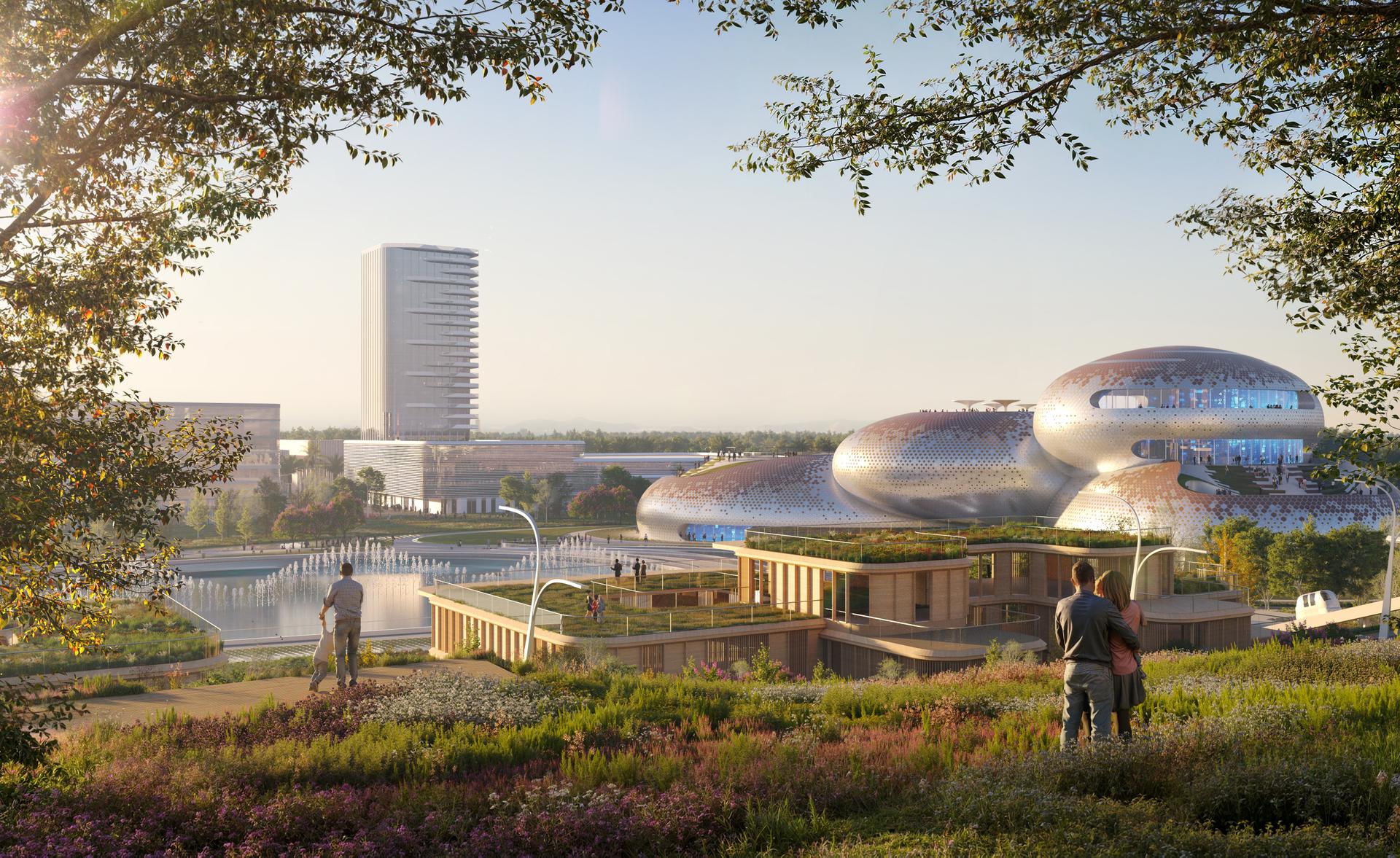
Discovery City will include innovations in smart city technologies and a steadfast commitment to minimising environmental impact. Embracing circularity, Discovery City will foster a symbiotic relationship between the built and natural environments.
ETAPA Square
Elgabaly Architects
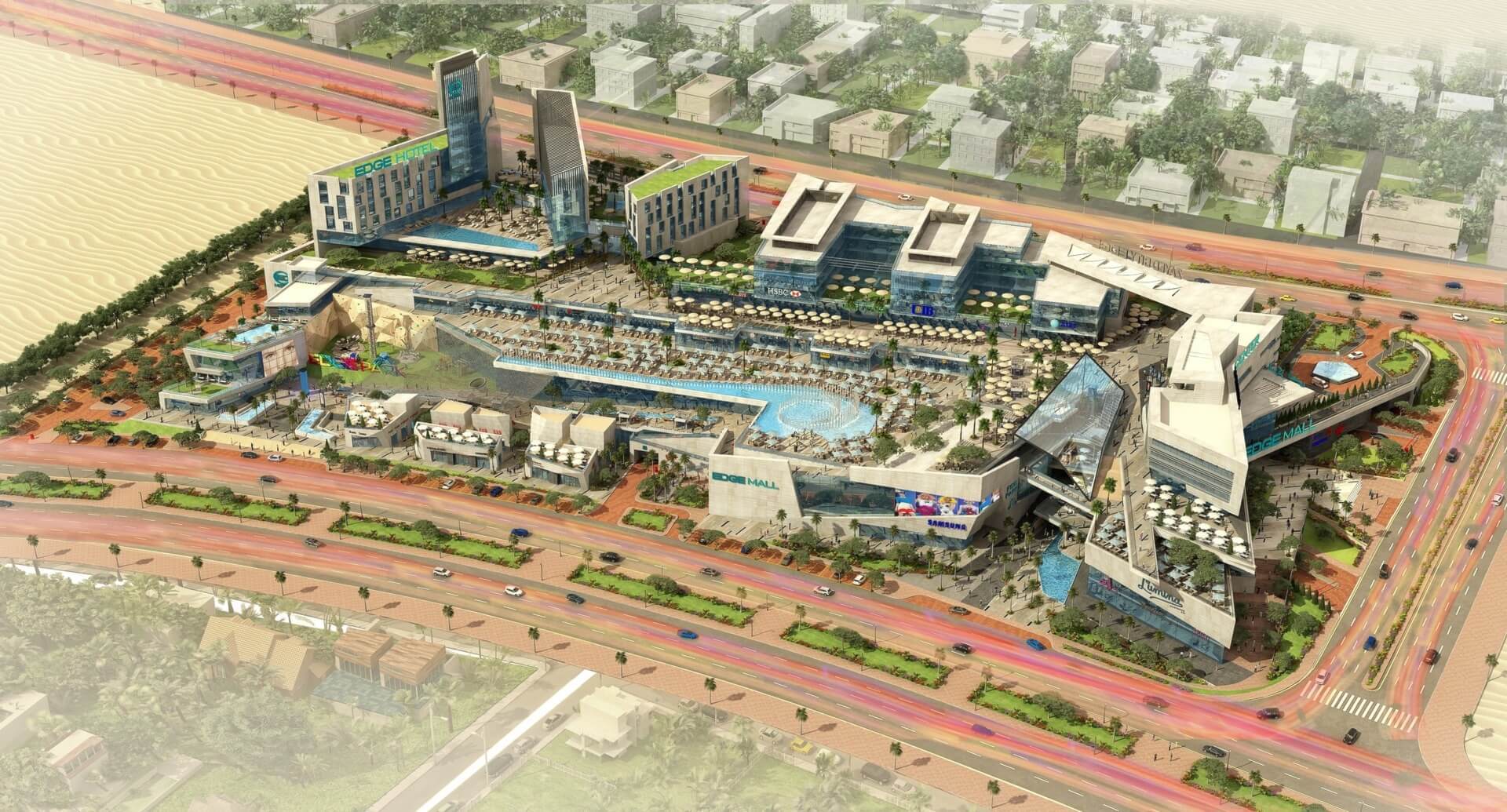
A landmark mixed-use destination inspired by fractured rock formations and multi-level plateaus, envisioned as a contemporary extension of the Giza pyramids plateau. Located near the Grand Egyptian Museum (GEM), the project redefines the urban experience by integrating commercial, residential, and leisure functions within a sculptural landscape that merges natural topography with contemporary design, creating a vibrant, self-sustained urban hub.
Campus Google Bay View
BIG - Bjarke Ingels Group
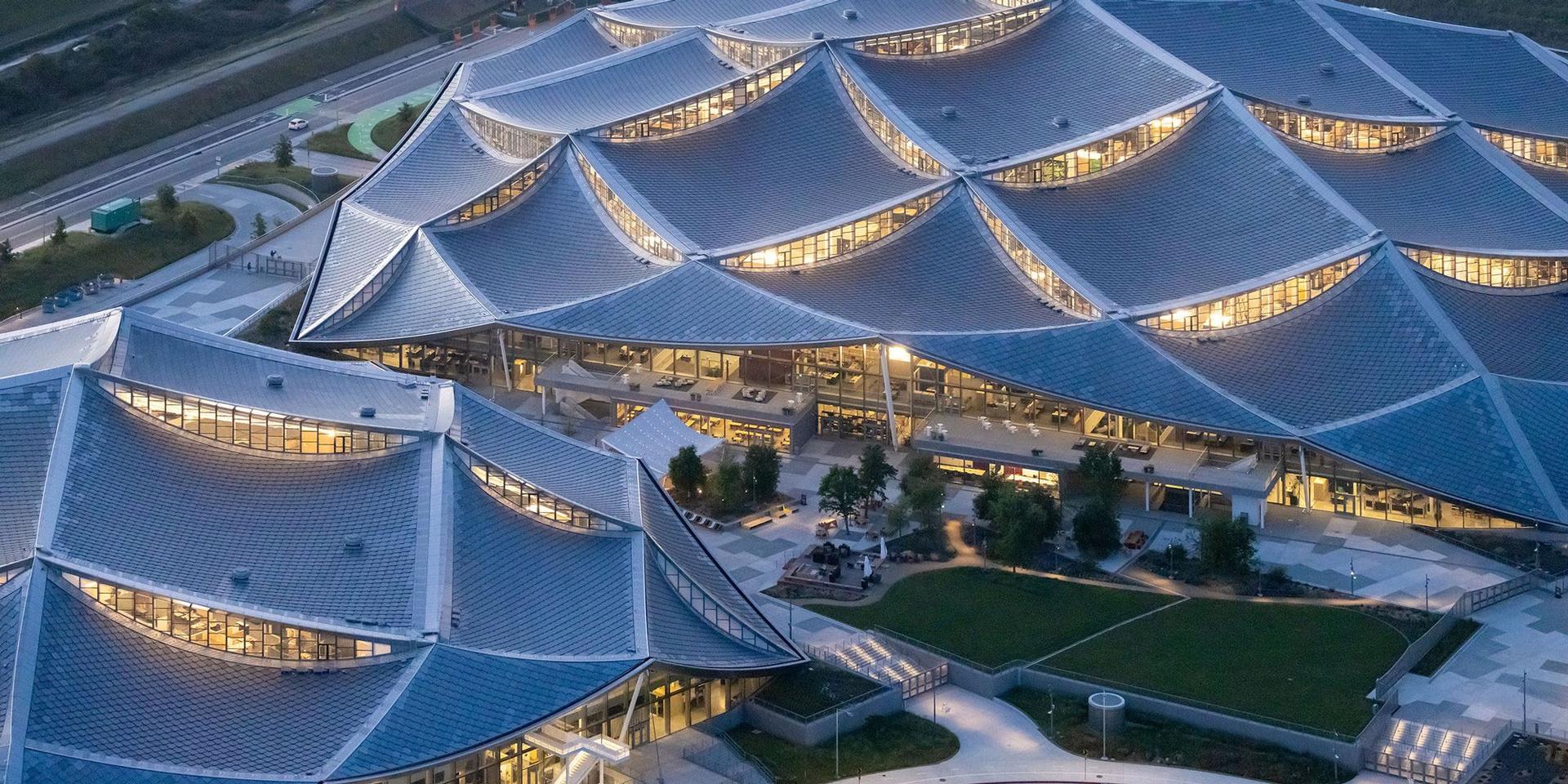
Google Bay View is Google’s first-ever ground-up campus with the mission to operate on carbon-free energy 24 hours a day, seven days a week by 2030. The buildings deliver on Google’s ambition to create human-centric, sustainable innovations for the future of Google’s workplace and scalable, replicable solutions for the construction industry and beyond. Located on a 42-acre site at the NASA Ames Research Center in Silicon Valley, the 1.1 million sq ft Google Bay View Campus brings three new buildings, 20 acres of open space, a 1,000-person event center, and 240 short-term employee accommodation units to the area. All three buildings are constructed as lightweight canopy structures optimized for interior daylight, views, collaboration, and activities.
Joint Research Center
BIG - Bjarke Ingels Group
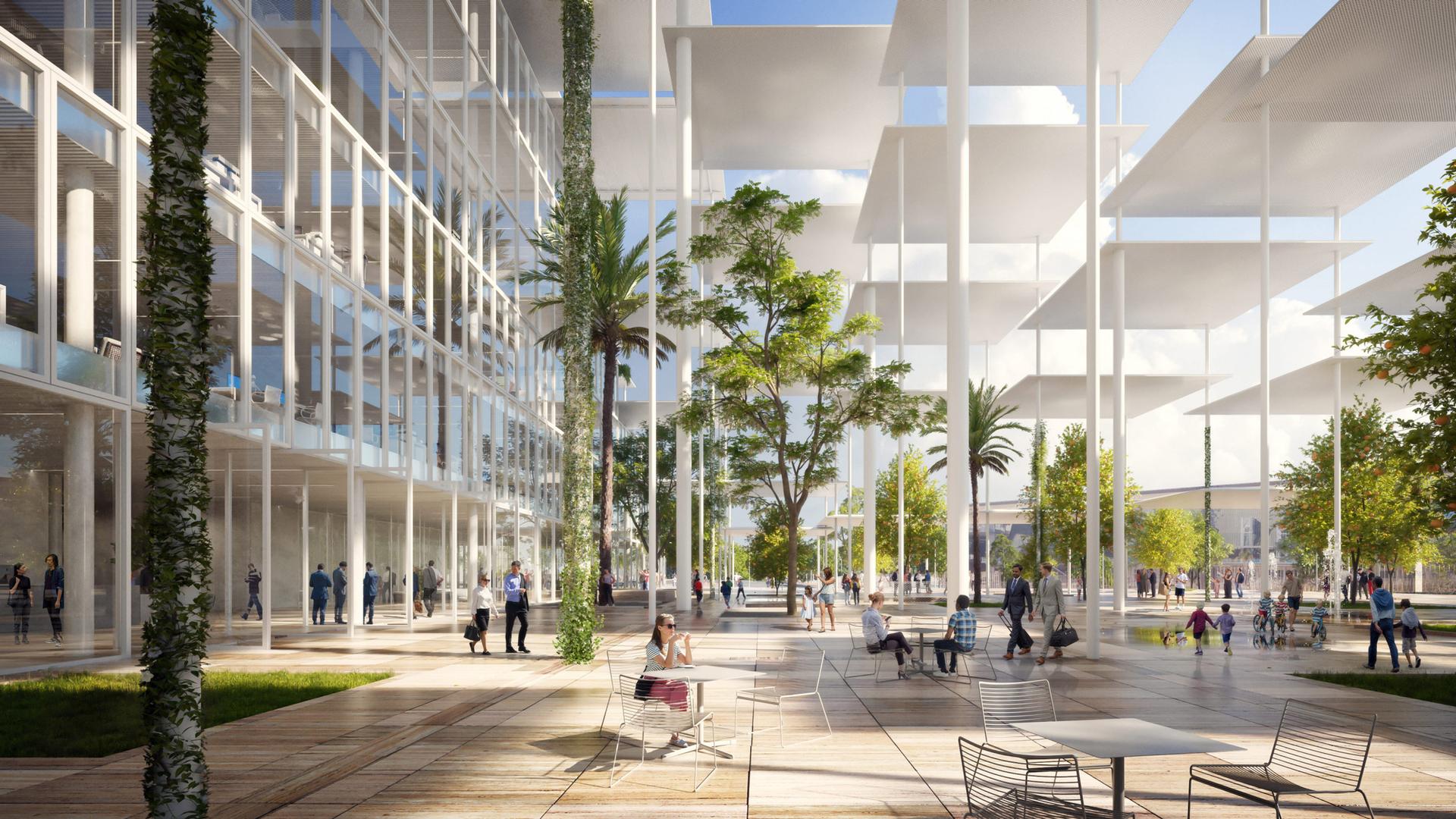
The new Joint Research Center in Seville, ‘Solar Cupola’ delivers on JRC’s commitment to sustainability, unites the European vision of the New Bauhaus initiative, and establishes a new benchmark for workspace that empowers knowledge sharing, collaboration and co-creation. Located at the former EXPO ’92 site, in Isla de la Cartuja, the new 9,900 m2 building for the European Commission, ties into the City of Sevilla’s goal to become a global benchmark for sustainability by 2025 and the local vision of the eCity Sevilla project to decarbonize and transition Isla de la Cartuja to 100% renewable energy sources. The building will house 12 research units and supporting functions as well as public and private outdoor spaces.
Telecom Egypt Headquarters
Elgabaly Architects
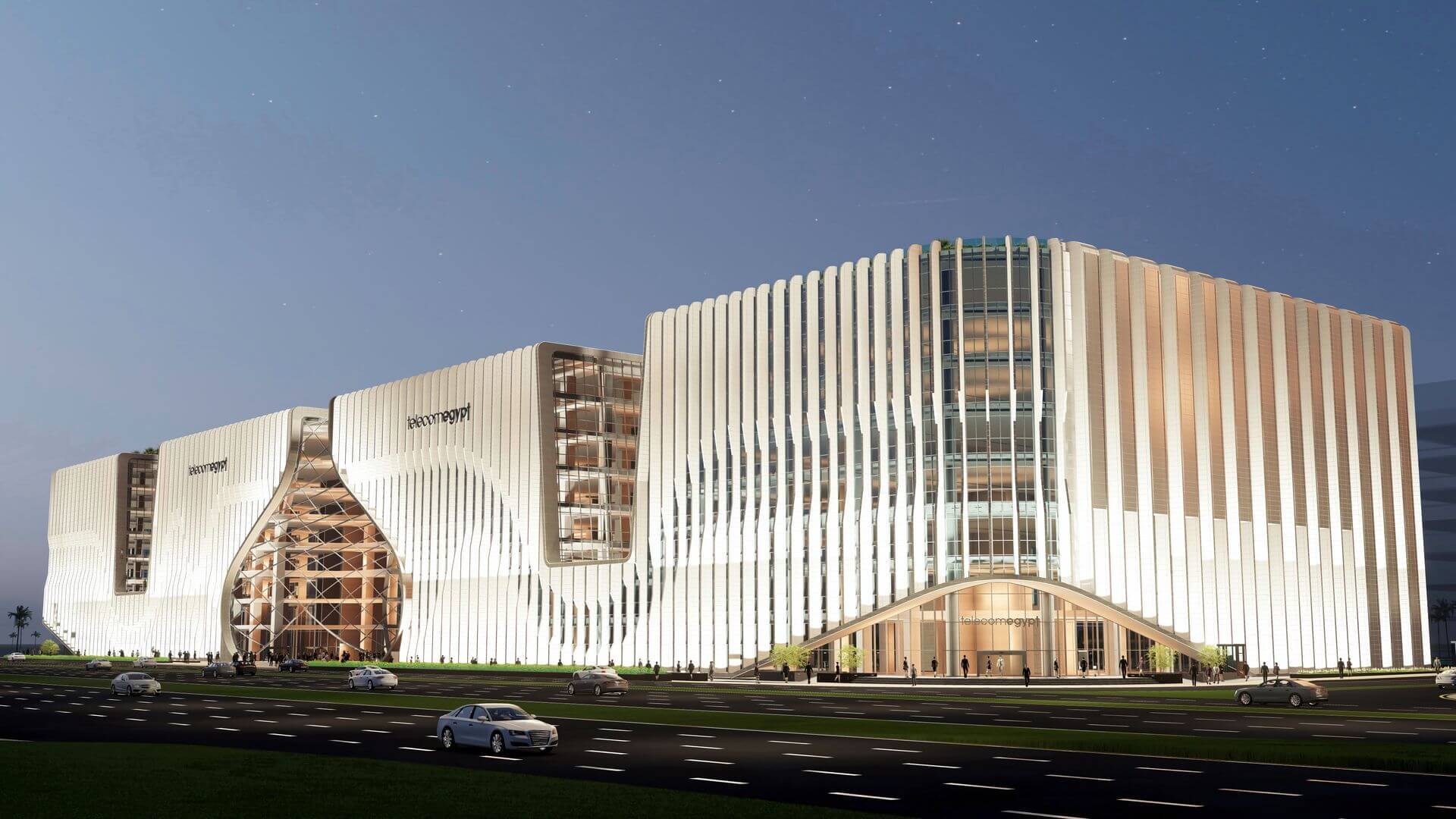
A future-forward headquarters designed as a symbol of the 5G era, merging parametric design with advanced building technologies. The project features a dynamic, wave-inspired façade that enhances environmental performance while creating fluid, collaborative workspaces focused on innovation, efficiency, and human well-being.
Krorez
Luca Dini Design & Architecture
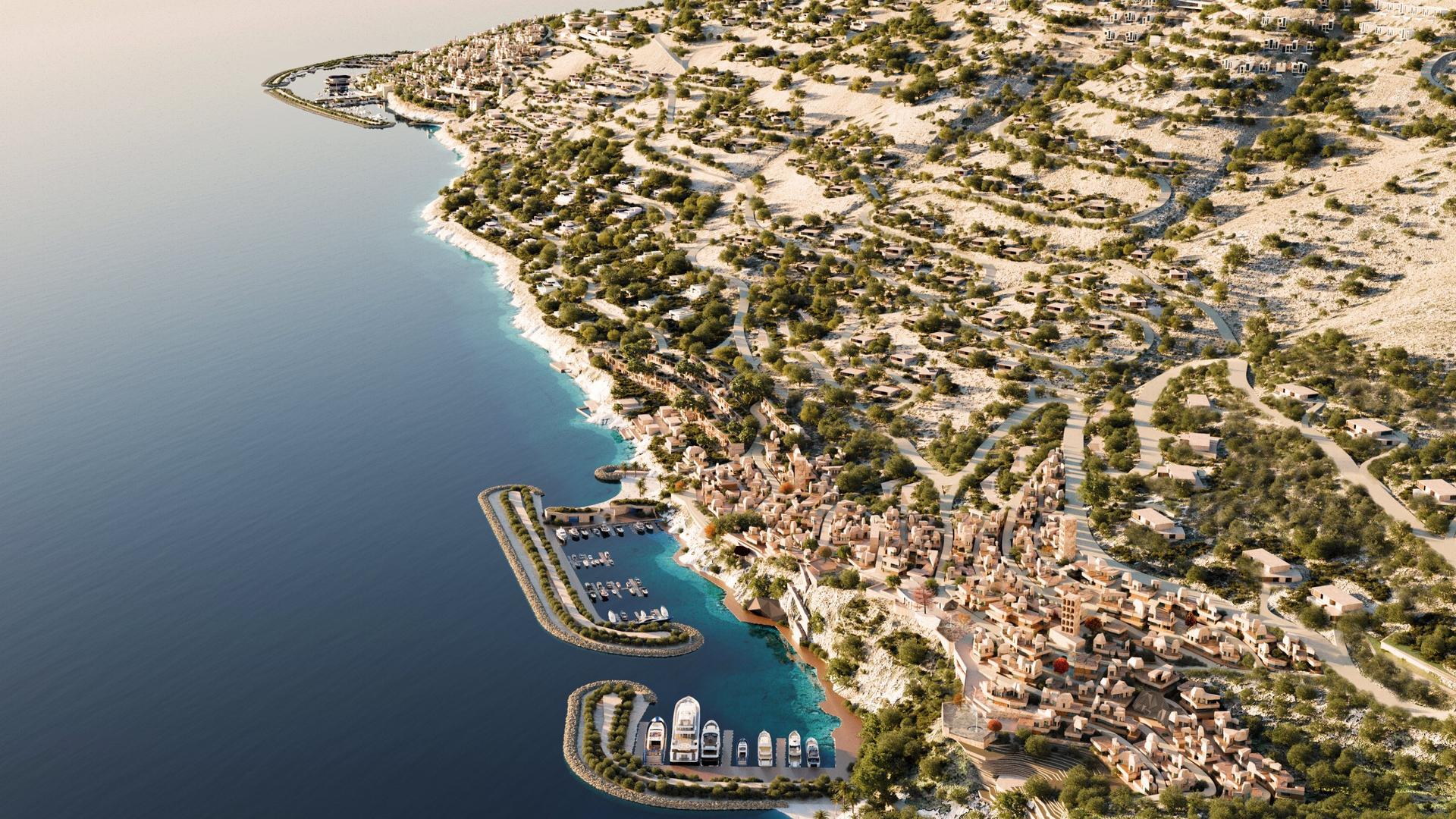
Beyond a tourist site, this project offers a transformative ascent from luxury to spiritual growth. Merging Albanian culture with nature, it features wellness, traditional farmhouses, and coworking spaces for youth. A holistic journey designed to enrich the soul and professional life alike.
Colosseum Tower
Luca Dini Design & Architecture
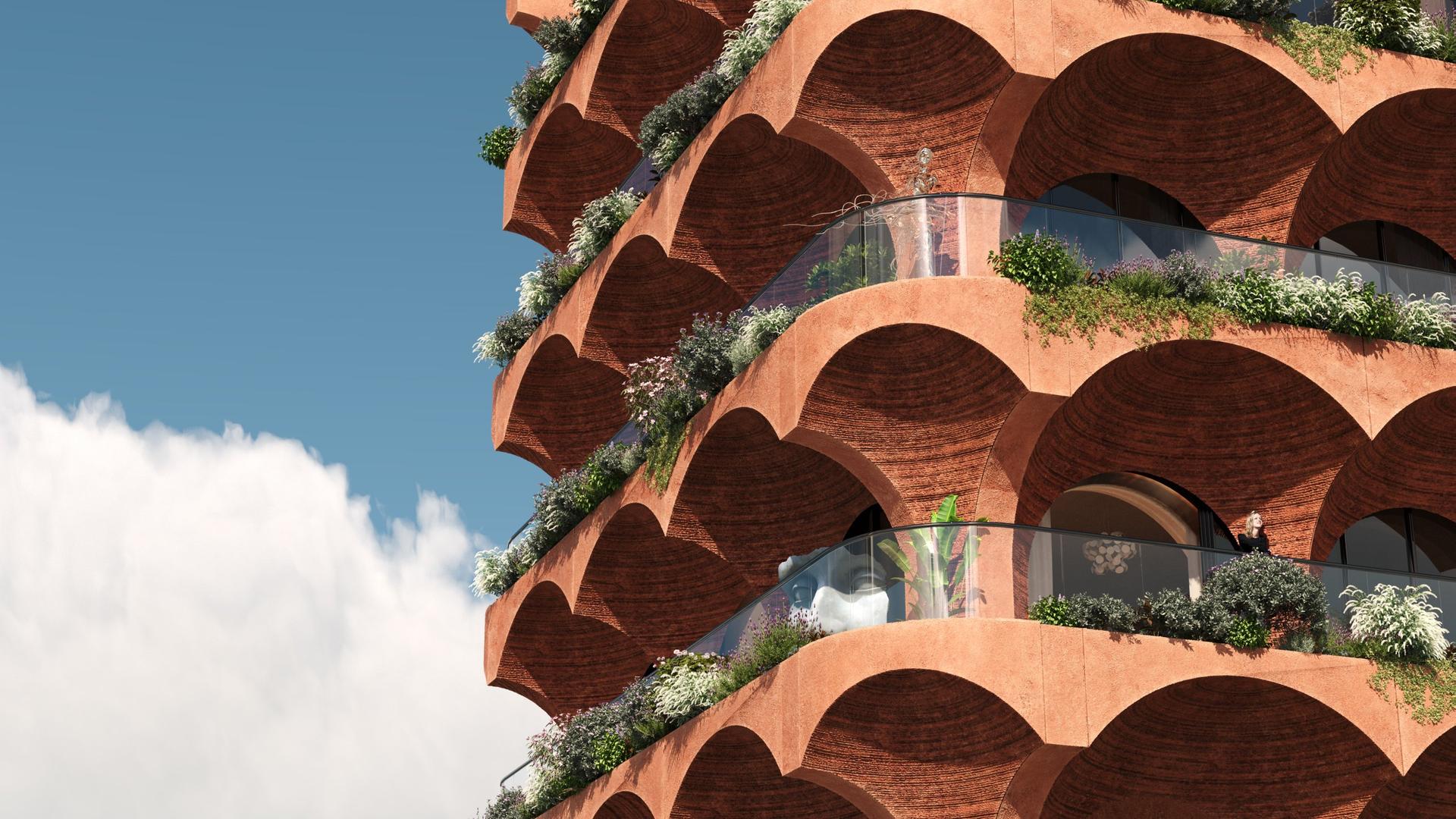
The operation performed in the design of COLOSSEUM 339 was to translate the metaphysical concept into an appealing, functional and aesthetically beautiful architectural design for man, who is included as an integral and living part of the project. The central idea revolves around the metaphorical ascent of the ground, symbolized by the compositional variation of round arches of different sizes that span all four elevations of the building, seamlessly. The architectural language of the arches is not just a façade language; rather, it entirely contaminates the building in its interior spaces, viewing terraces, and workspaces.
Yusur Towers
Clear Architecture
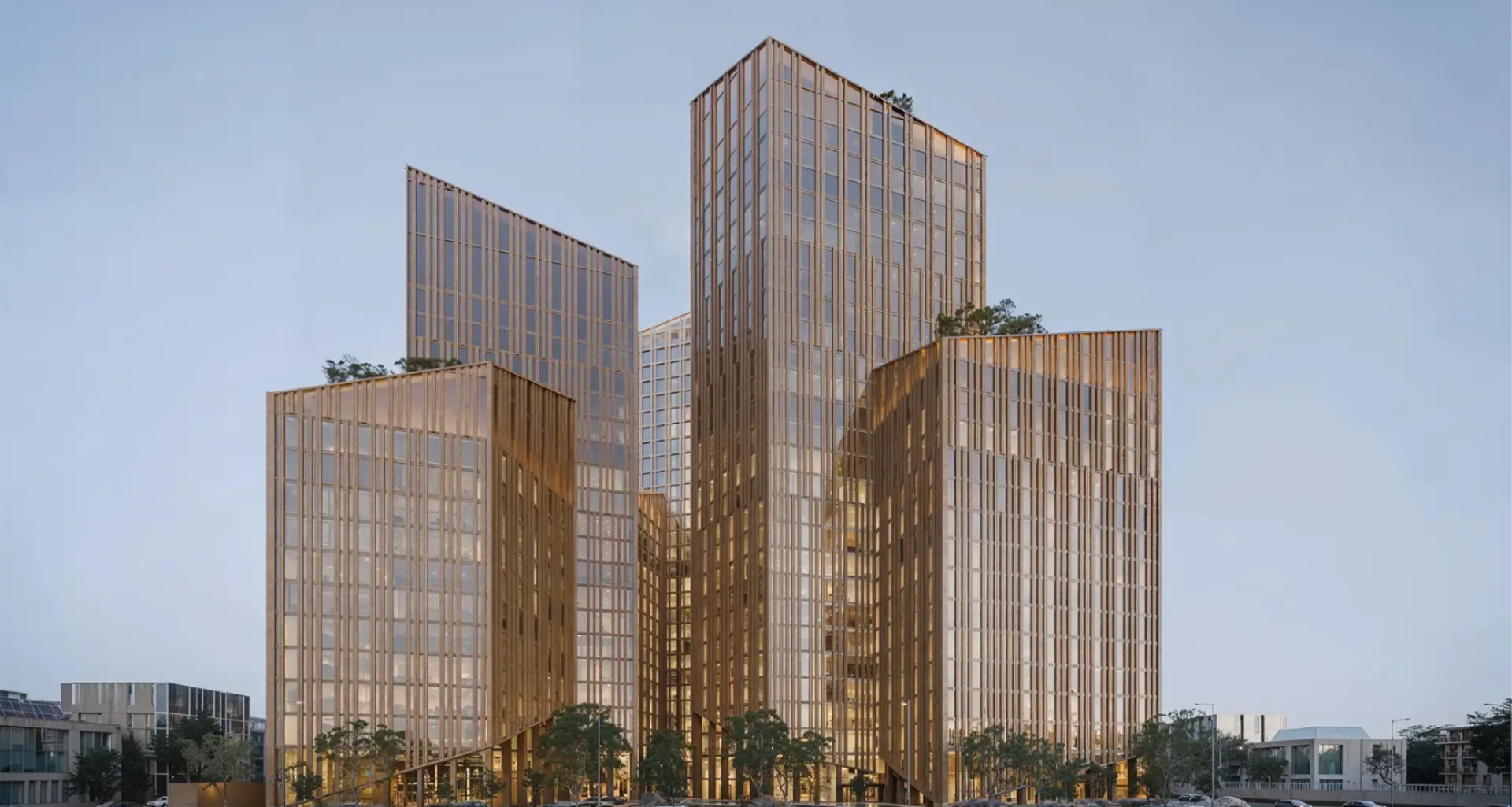
The Origami House
MSSM Associates
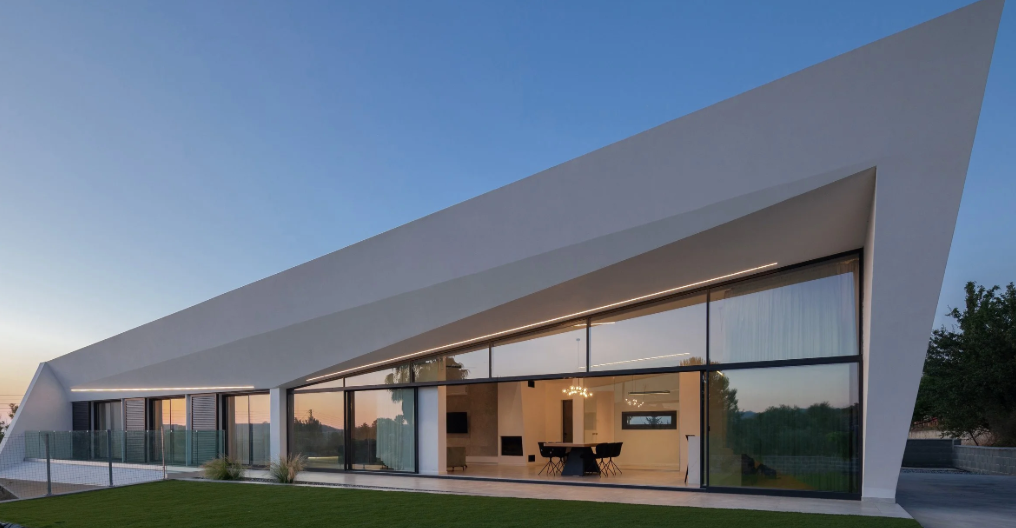
The design of the house draws inspiration from the Japanese philosophy of Origami, which emphasizes the creation of three-dimensional forms through the folding of flat surfaces. Influenced by the clients’ deep appreciation for the minimalist and refined aesthetics of Japanese culture, this concept became the foundation for the architectural approach. The folded geometry of the structure embodies this philosophy, guiding the sculptural form of the building.
While the house commands a distinct presence within the local urban fabric, its pleated surfaces lend it a sculptural quality that harmonizes with the natural contours and scattered hills of the surrounding landscape. The aesthetic appeal is further elevated by the interplay of light and shadow across its folded planes, creating a dynamic visual experience that evolves throughout the day—captivating not only the inhabitants but also those who pass by.
The Iconic Mosque
MSSM Associates
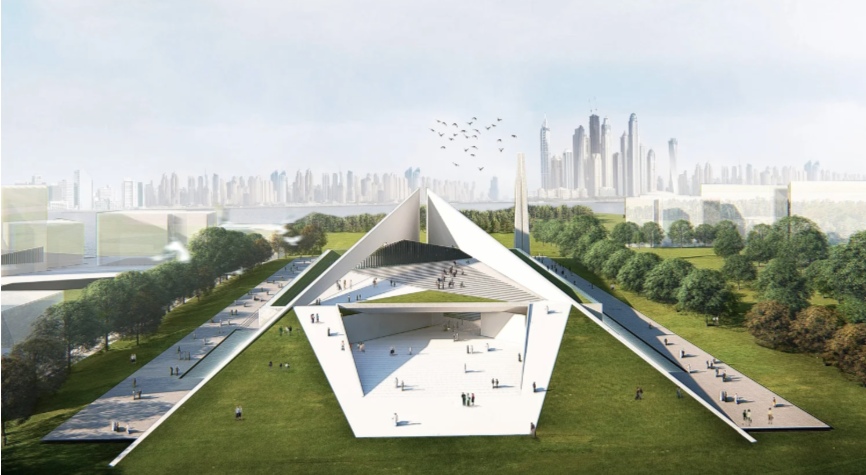
MSSM Associates aim to amplify the beauty of Islam through their most valued medium—architectural form. A key design challenge was reconciling two defining yet conflicting axes. The first aligns with the urban framework of Dubai Creek Harbour, emphasizing the central plaza and the Dubai Creek Tower. The second orients the mosque’s prayer spaces toward Mecca. Rather than allowing one axis to dominate, the design carefully balances both, ensuring each plays an essential role in shaping the form without visually overpowering the other. In the final composition, neither axis is explicitly expressed, creating a harmonious and unified morphology. The mosque’s form responds to its urban context while engaging with the grandeur of the Dubai Creek Tower. The tower is subtly framed as a “veiled minaret,” revealed through a carefully composed architectural vignette along the main axis. In doing so, the design not only complements its surroundings but elevates them, creating a meaningful dialogue between architecture, place, and spiritual identity.
Two modern homes — Iris House and House N
Reflex Architecture
Iris House - A contemporary family home defined by a playful and expressive design language, where each space carries its own identity. Clean lines are enriched by strong contrasts, layered textures, and a curated mix of warm and raw materials, complemented by sculptural metallic lighting. The interior becomes a composition of personality and detail — vibrant yet balanced — where functionality meets comfort in a refined, character-driven atmosphere.
House N - An elegant approach where light becomes the essence of the design. Soft, warm tones and carefully selected materials are shaped by natural and ambient light, creating a subtle and cohesive atmosphere. Delicate contrasts and fluid textures define a refined and balanced interior, where every element contributes to a calm, peaceful ambiance — a home that feels timeless, gentle, and quietly luxurious.
Azatutyun Multifunctional Complex
Storaket Architectural Studio
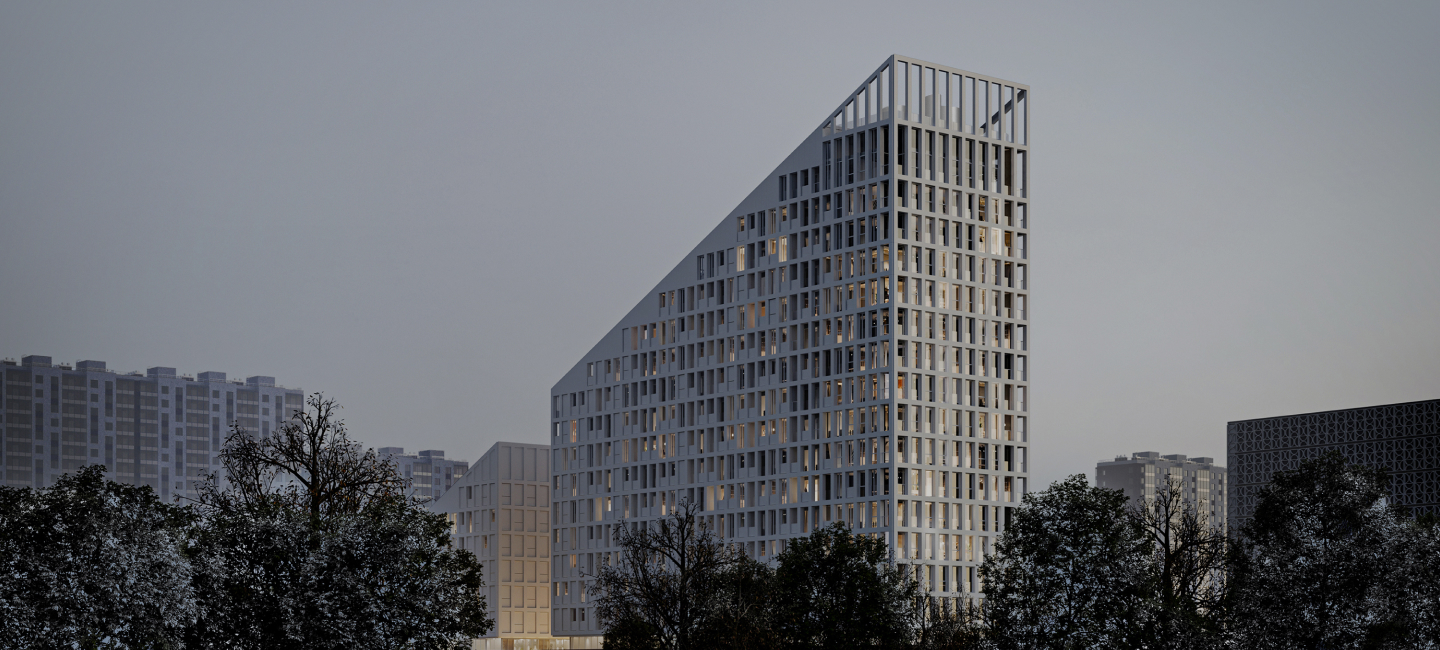
AZATUTYUN Residential Complex is located on Azatutyun Avenue, Yerevan. The project integrates into a layered Soviet and contemporary context, completing the avenue’s architectural sequence. Two terraced buildings combine residential, office, and public functions, shaped by context-sensitive massing and green courtyard.
Battersea Power Station
LDA Design
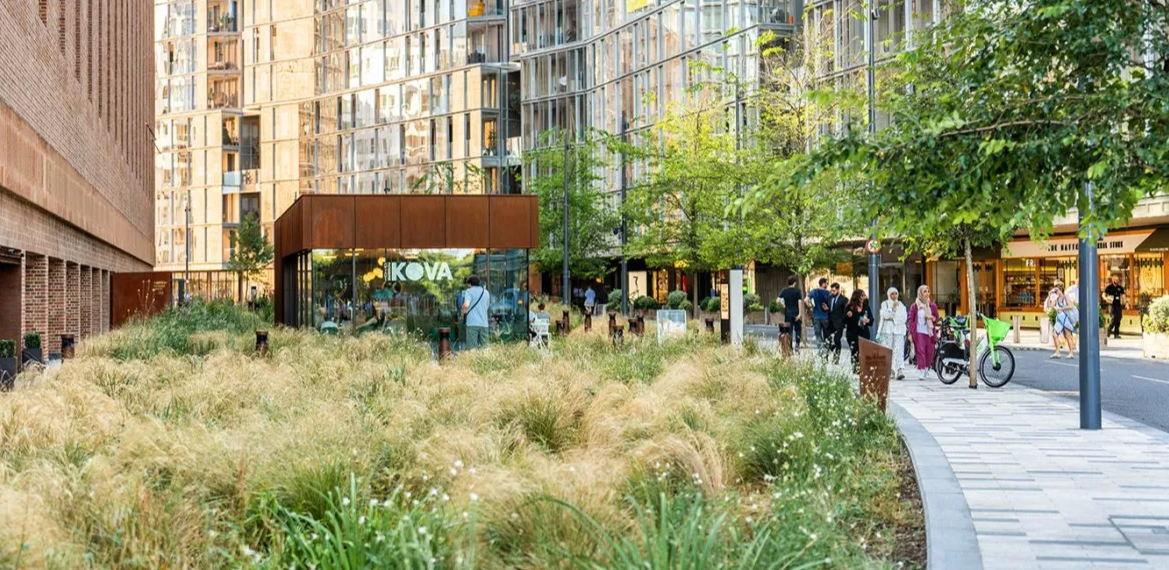
Almost 40 years after the Power Station was decommissioned in 1983, this was a major moment for London and for all those involved in bringing the landmark building back to its former glory. Critically for the first time ever, Battersea Power Station is more than a building - it has become a welcoming new neighbourhood and one of London’s most exciting new destinations. Almost half of the 42-acre site is given over to public space, including a new six-acre riverfront park and a series of ecologically rich and biodiverse habitats, a town square and a Zone 1 London Underground station for the Northern Line extension. The site opens up a stretch of the Thames inaccessible to the public for more than 100 years.
Te Whare Nui o Tuteata, SCION Timber Innovation Hub
Irving Smith Architects
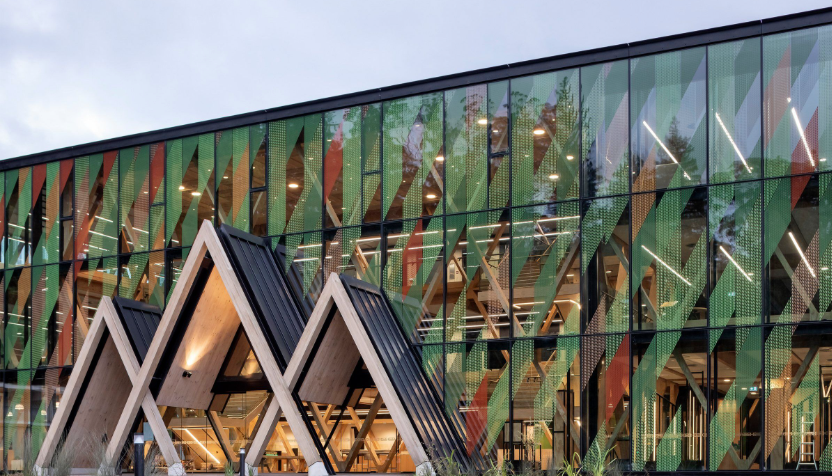
The Scion Innovation Hub achieves embodied carbon zero at completion and is on track to meet the RIBA 2030 target. It uses engineered products made from sustainably sourced pine and incorporates thoughtful consideration of operational performance. Te Whare Nui o Tuteata invites researchers, the timber industry, and the broader community to engage with timber research and innovation. The building serves as a working prototype for future development and marks a milestone in New Zealand’s path toward carbon zero by 2050.
Bach with Two Roofs
Irving Smith Architects
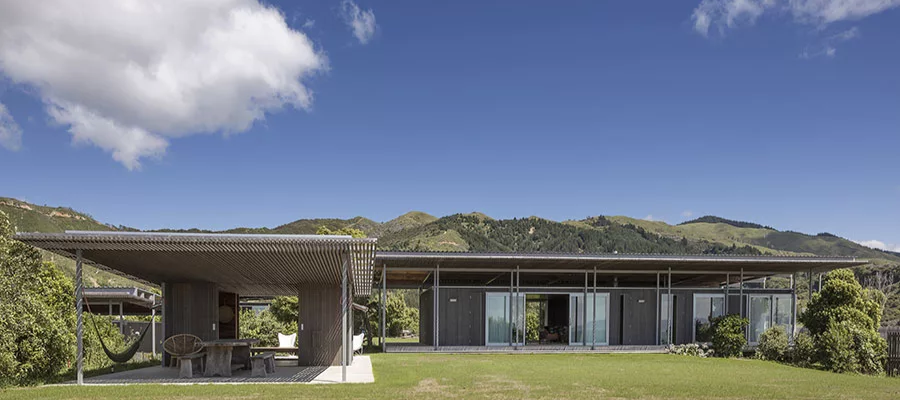
Three small buildings and the spaces between provide a second home for a young family within a forest clearing overlooking Golden Bay. Two buildings are inhabited: the larger for the family, the smaller for friends or the kids, with peripheral decks to connect to the clearing and fly roofing to protect from the eucalypt trees and collect rainwater. The third building provides independent amenities to the external spaces which are controlled in volume by the placement of buildings within and to the edge of the clearing, allowing camping, friends, frisbee… Materials are chosen for their blending to the surrounding bush and dappled forest light.
Troodos Observatory
Kyriakos Tsolakis Architects
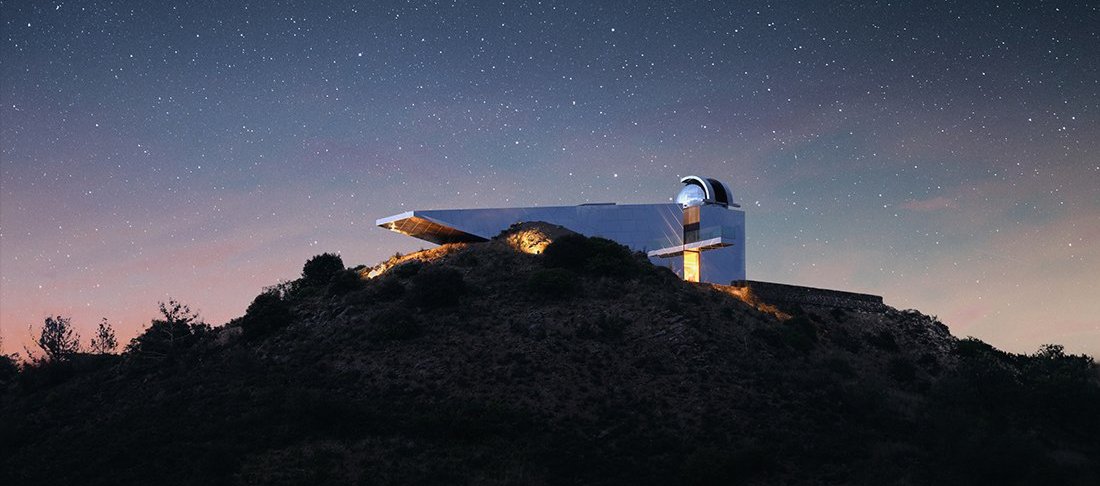
The Troodos Observatory, Cyprus’s first, is situated in the UNESCO-listed Troodos mountains. It is more than a building; it is a quiet invitation to explore, learn, and look outward. Designed to foster public engagement with science and the night sky, it transforms a rural edge community into a national point of connection. While civic institutions are often located in urban centers, the needs of a star observatory – freedom from light pollution and electromagnetic interference – require isolation
"Aphrodite" Thematic Route
Agisilaou & Kalavas Architectural Workshop
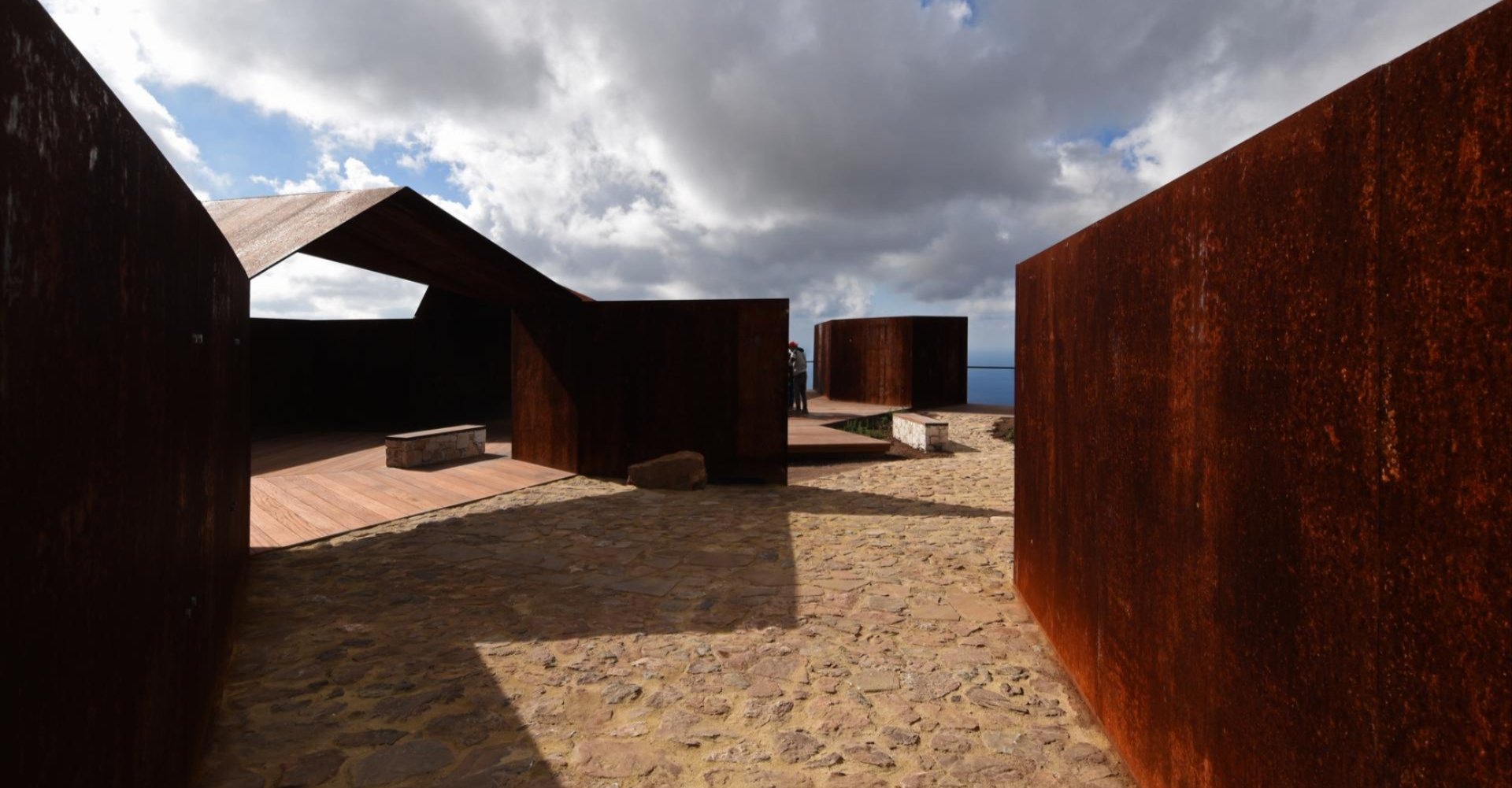
A route through nature, featuring points of archaeological, cultural, environmental interest, with pause and rest areas where the natural element prevails. The project enhances an experiential connection with space, offering an engaging and captivating spatial, environmental and cultural experience.
living behind “mantrotoichos”
scaλēta architecture
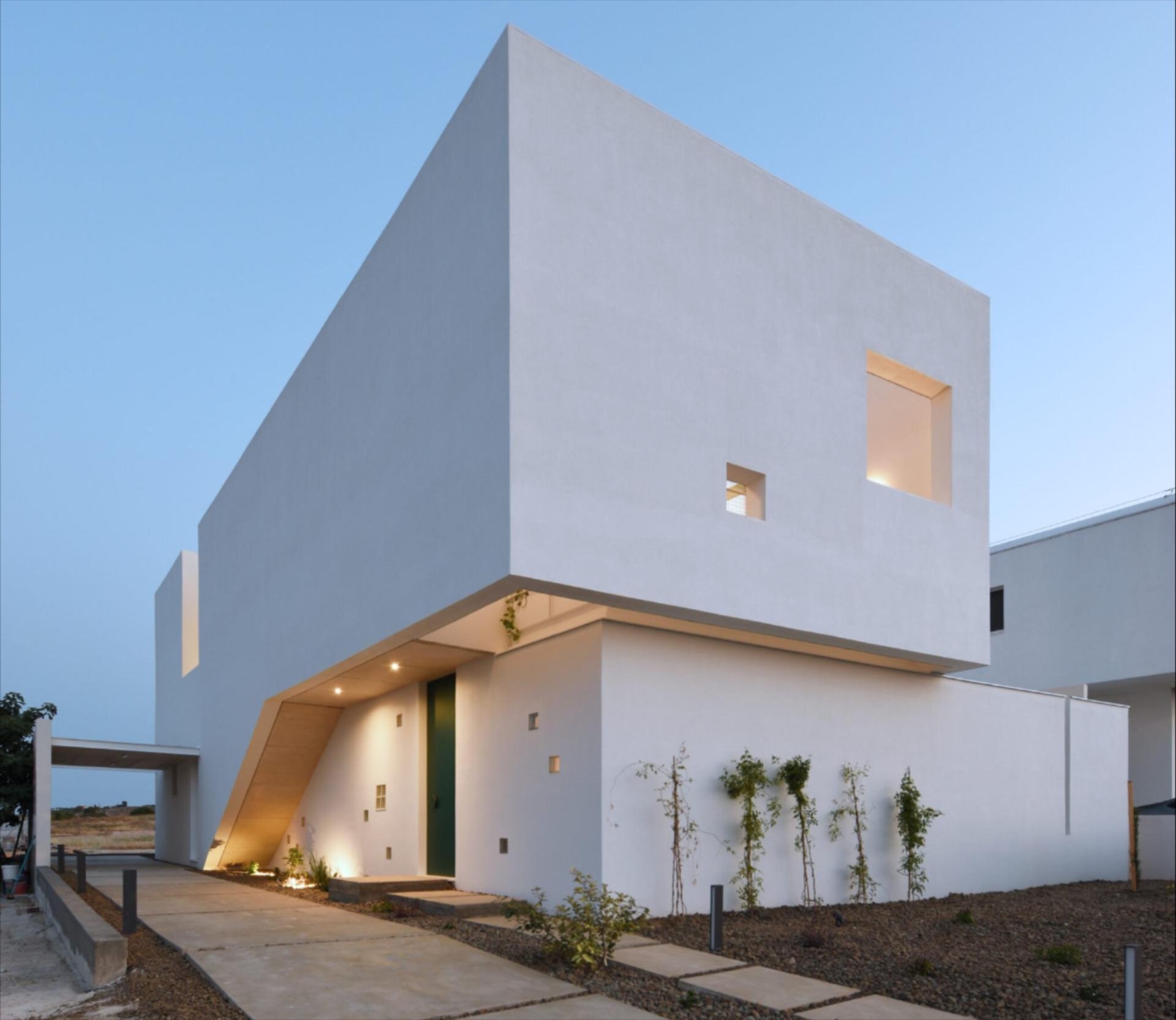
The project redefines the concept of “mantrótoichos” within Cyprus’s detached housing typology. Set back from the street, it uses limited openings to ensure privacy while extending living outdoors. A central courtyard organizes daily life, with spatial fluidity between interior and exterior.
RESIDENCE IN A HISTORICAL QUARTER IN LARNACA
AMSA
The house is located in the urban core of Agios Ioannis, a historical neighborhood of Larnaca which was inhabited since antiquity. The built environment of the area consists mainly of single storey houses of the early 20th century. Access to the house is through a fenced courtyard. The residence is organized between two walls which flank the quotidian spaces and the garden, uniting them into one visual and functional entity with the staircase and library as a background. On the first floor two bedrooms have a view of the garden to the east, while on the west a covered balcony and an outdoor planted patio overlook the street and the historical neighborhood.
MOUNTAIN RETREAT IN KYPEROUNTA
AMSA
This vacation house is located in Kyperounda village, in the Troodos mountain area, in the District of Limassol. The plot is in the outskirts of the village on a rural road that forms the border between Limassol and Nicosia District and it provides extended view of the gulf of Morfou on the north and Troodos forest on the south. The house is arranged in a linear form, with all the bedrooms and common areas overlooking the forest. The volumes of each of this spaces is projected between the existing trees that are preserved as part of the landscape.
Indigo Hotel Larnaca
Panayides Spinazzola & Agroti Architects
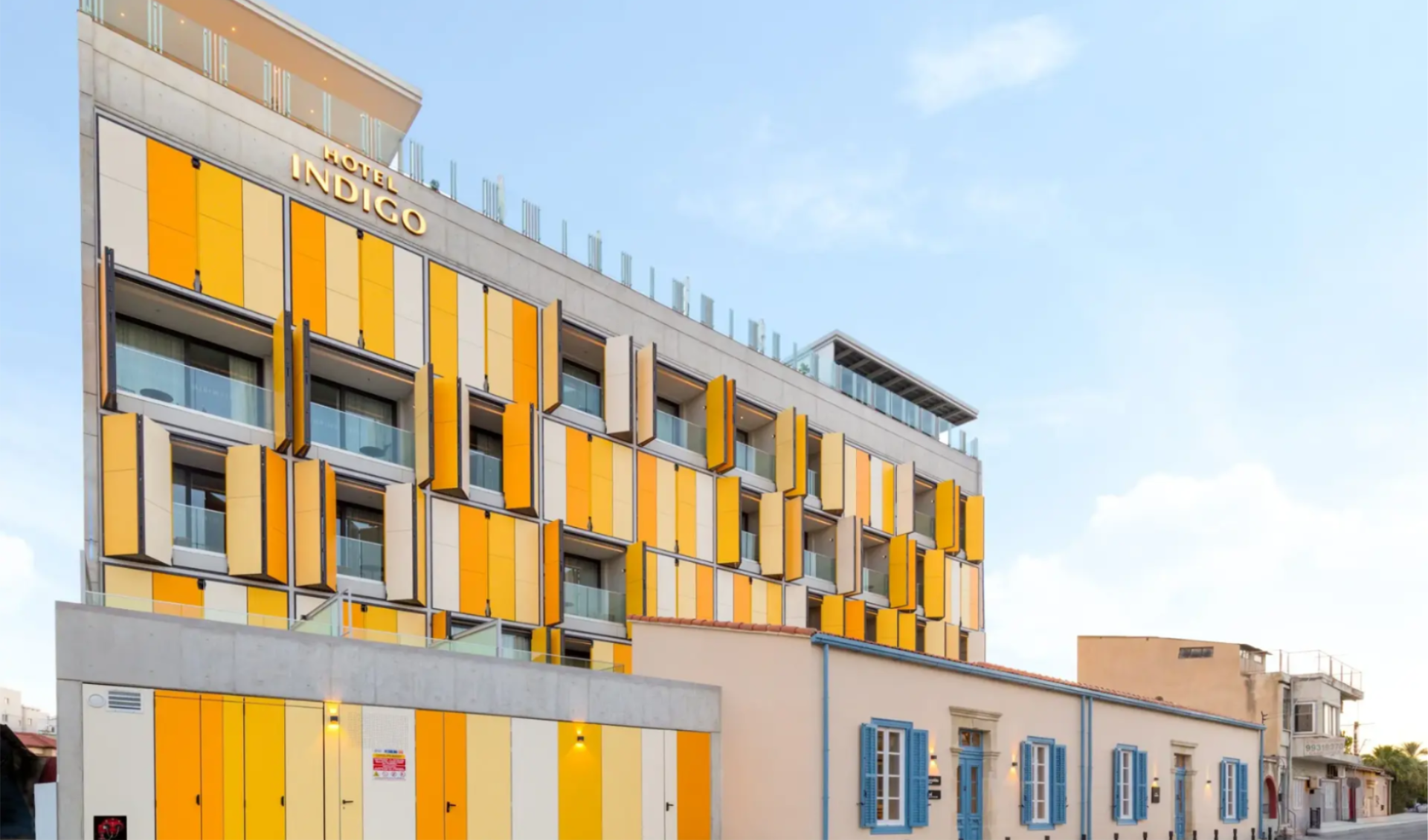
Indigo hotel Larnaca, explores the dialogue between new and old, the harmonious inclusion of the listed historic units within a contemporary morphological concept. The hotel is composed by the two traditional dwellings on the street front and the new five-storey structure that rises at a distance behind. The contemporary structure rises as an abstract backdrop to the historic cityscape by concealing its function with the employment of the colorful bi-folding paneling system. The design intention is the accentuation of the historic elements of the neighborhood by their juxtaposition against an abstract contemporary insertion.
Residential Development in Limassol
Eraclis Papachristou Architects
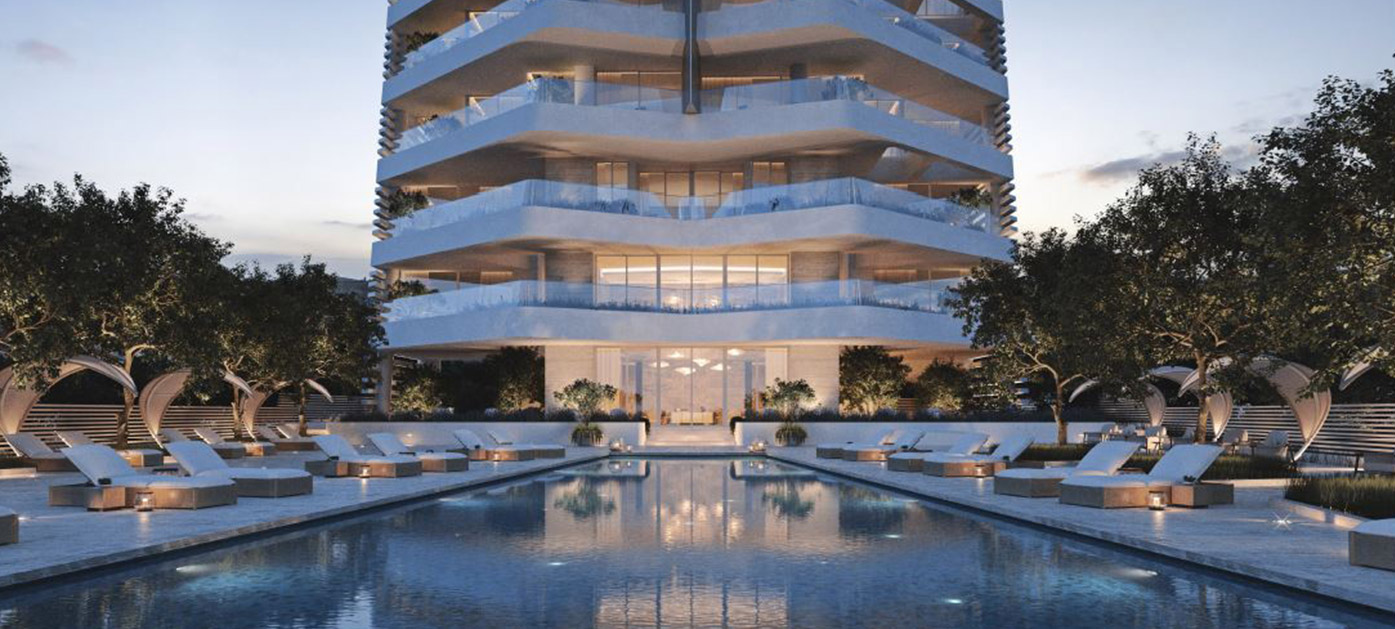
A large scale mixed-use development in Limassol, investigating the relationship between scale, density and liveability. An urban ensemble that prioritises shared life, movement and connection.